
Implementation Hurdles Hamper Malawi’s Economic Momentum – The Times Group
Key Business Points
- Policy implementation gaps are the main reason Malawi’s economy is not delivering expected growth; businesses must focus on building strong partnerships with government agencies to ensure projects move from design to execution.
- Execution remains the challenge – companies that develop realistic timelines, monitor progress, and adapt quickly will be best positioned to capture new opportunities as the nation moves toward economic transformation.
- Local entrepreneurs can drive change by adopting proven business practices, leveraging existing policy frameworks, and using zalumikizanji (local networks) to enhance credibility and access to financing.
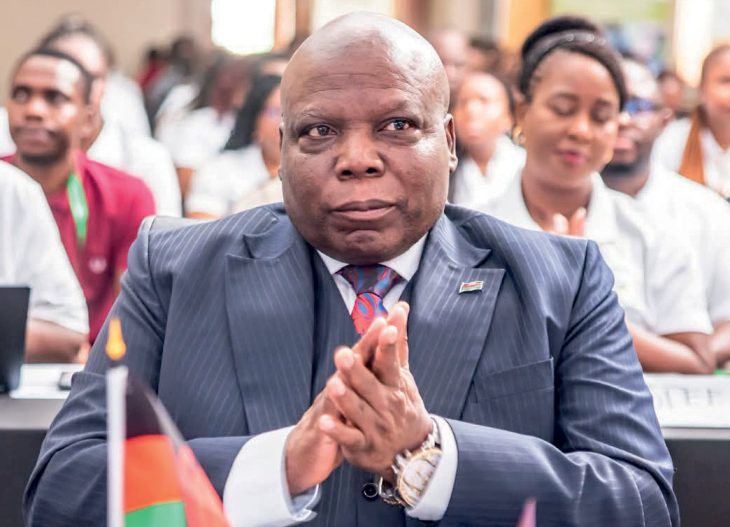
Malawi’s business landscape is at a crossroads as the nation grapples with a persistent implementation deficit that is holding back its economic transformation. At the recent 2026 Annual Economic Conference organized by the Economics Association of Malawi (Ecama) in Mangochi, Chief Secretary to the Government Justin Saidi delivered a candid assessment: the country possesses well‑designed policies, yet tangible results remain elusive. The execution gap is now widely recognized as the critical bottleneck.
The government’s acknowledgment that weaknesses in implementing economic policies are slowing progress has sparked a lively discussion among entrepreneurs, investors, and policymakers. While the policy framework is solid, the gap between intent and impact is widening. This situation creates both risks and opportunities for the private sector. Companies that have traditionally relied on favorable policy environments must now become more proactive in ensuring that plans are carried out effectively.
For business owners, the immediate takeaway is the importance of building resilience and adaptability. When policy rollout stalls, firms can mitigate the impact by diversifying revenue streams, strengthening supply‑chain flexibility, and maintaining a close eye on regulatory updates. Investors, on the other hand, are beginning to view execution risk as a key factor in investment decisions. Projects that demonstrate clear milestones, robust monitoring, and transparent reporting are likely to attract more capital.
Local entrepreneurs have a unique role to play. By leveraging zalumikizanji (local networks) and kugona (collaboration) with established firms, they can access markets and financing that might otherwise be out of reach. Small and medium enterprises (SMEs) that adopt simple project‑management tools and set realistic timelines are better equipped to navigate the uncertainties that arise when policies are delayed. Moreover, the government’s call for improved execution signals a potential increase in public‑private partnership opportunities as state agencies seek private expertise to accelerate implementation.
The conference also highlighted the need for capacity building within the public sector. Training programs, digital tools for monitoring, and clearer accountability structures could help bridge the execution gap. Businesses that engage in such initiatives—whether through training programs, advisory services, or joint development projects—position themselves as valued partners in the nation’s economic revival.
In practical terms, entrepreneurs should review their current project pipelines and identify any steps that depend heavily on policy rollout. By mapping out dependencies and preparing contingency plans, they can reduce the shock of delays. Meanwhile, investors should look for ventures that have demonstrated effective project management and have strong local support, as these are the most resilient in an environment where execution remains the primary challenge.
The overall message from the conference is clear: Malawi’s policies are ready, but execution is the missing link. For the business community, this means shifting focus from merely anticipating policy changes to actively participating in their implementation. By doing so, companies can not only safeguard their interests but also contribute to the broader goal of economic transformation that the nation strives for. The road ahead will require vigilance, collaboration, and a proactive stance, but the rewards—stable growth, new market access, and a stronger Malawi economy—are well within reach.
What are your thoughts on this business development? Share your insights and remember to follow us on Facebook and Twitter for the latest Malawi business news and opportunities. Visit us daily for comprehensive coverage of Malawi’s business landscape.

- Malawi’s Failed Reforms: Business Risks and Opportunities - November 1, 2026
- Implementation Hurdles Hamper Malawi’s Economic Momentum – The Times Group - November 1, 2026
- Deputy Minister celebrates Malawi’s industrial growth powering business opportunities – The Times Group - October 31, 2026