
Malawi’s Livestock Census Highlights Regional Disparities – Impacts for Business Growth
Key Business Points
- Livestock ownership is common among Malawi’s agricultural households, creating opportunities for agri-business expansion in animal husbandry and related services.
- A sharp lack of veterinary services across most animal categories represents both a critical challenge and a potential market for service providers in the veterinary field.
- The National Census of Agriculture (NACA) findings highlight the need for targeted investment in livestock support infrastructure to unlock growth in this segment of the rural economy.
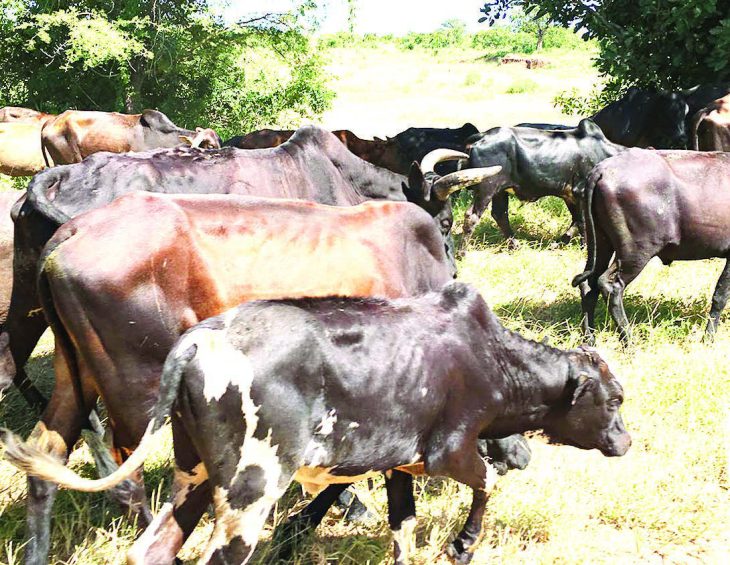
More than half of Malawi’s agricultural households engaged in livestock keeping during the 2023-24 agricultural season, according to findings from the National Census of Agriculture (NACA) report for 2025. Policymakers and private sector actors alike see this as pointing to both opportunity and vulnerability in the country’s broader agricultural sector.
Livestock plays an integral role in household food security, income resilience, and asset preservation, especially in Malawi’s rural economy. However, the report brings into focus a substantial gap when it comes to access to veterinary services. This gap affects nearly all categories of animals kept, raising concerns about disease management, productivity, and the sustainability of smallholder livestock operations.
The low penetration of veterinary care threatens not only individual household livelihoods but also the potential for the livestock sub-sector to contribute more robustly to GDP and food security. Most farmers rely on basic husbandry, with few reporting regular visits from veterinarians or access to timely vaccinations, treatment, or disease surveillance. Without these services, herd mortality rates can undercut income gains, especially for families who view livestock as a form of savings or collateral.
For investors and entrepreneurs, these findings suggest clear entry points: veterinary supply chains, mobile animal health clinics, training of community animal health workers, and partnerships with cooperatives to aggregate demand for veterinary services. Similarly, improved animal feed production, cold chain logistics for perishables like milk, and better market access for livestock and products stand out as areas where business innovation could make meaningful impact.
Importantly, the NACA data provides a quantitative baseline to inform targeted public and private investment strategies aimed at strengthening the livestock component of Malawi’s agricultural economy. The low veterinary service coverage identified in the census presents a challenge today, but for business-focused actors, it also offers the prospect of capturing unmet demand in underserved rural areas.
As a next step, stakeholders in government, development agencies, and the private sector are likely to use this census evidence to prioritise interventions, ranging from policy reforms to private investment initiatives, all with the goal of enabling livestock keeping to reach its potential as a driver of inclusive and sustainable growth.<|end|>
What are your thoughts on this business development? Share your insights and remember to follow us on Facebook and Twitter for the latest Malawi business news and opportunities. Visit us daily for comprehensive coverage of Malawi’s business landscape.

- Study Exposes Malawi Food Supply Chain Gaps That Hurt Profits - September 24, 2026
- World Bank Charts Malawi’s Investment Blueprint - September 24, 2026
- Malawi’s 2030 Ambition: A Blueprint for Business Growth - September 24, 2026