
Streamlining Trade: Malawi & Mozambique Cut Border Delays for Business Growth
Key Business Points
- Malawi and Mozambique have harmonised agricultural certification procedures to cut border delays and reduce trade costs for exporters and importers
- A joint technical committee will oversee implementation with clear timelines giving businesses predictable rules for cross-border movement of farm products
- Small-scale traders and producers gain improved market access under a five-year agreement aligned with SADC and WTO trade commitments
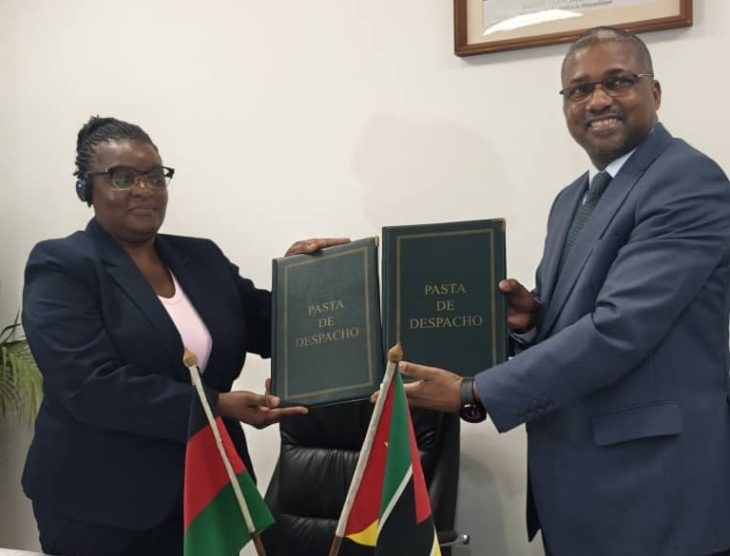
Malawi and Mozambique have signed a memorandum of understanding to harmonise procedures for certifying and inspecting agricultural products. The agreement was signed in Tete Mozambique on Wednesday and creates a framework for joint action on sanitary and phytosanitary measures that protect human animal and plant health.
Ministry of Agriculture Principal Secretary Erica Maganga said differences in certification procedures delays in border clearance and inadequate exchange of technical information have increased the time and cost of trading agricultural products. She stressed that success should be measured by tangible improvements experienced by farmers traders transporters and businesses operating across borders. The pact marks a shift from preparatory work to implementation and Maganga urged relevant institutions to establish clear responsibilities timelines and performance indicators.
The agreement identifies joint pest-risk assessments and surveillance harmonisation of certification procedures and training of border officers as priority areas for cooperation. Both governments will also improve information-sharing and educate traders on documentation inspection requirements and procedures for exporting and importing agricultural products.
Mozambique Permanent Secretary Acubar Paulo Batista said the agreement demonstrates commitment to strengthening bilateral cooperation and creating conditions for safer and more predictable trade. He noted that effective implementation should help reduce delays and unnecessary costs improve market access and prevent the spread of pests and diseases that threaten agricultural livestock and fisheries production. Batista highlighted that benefits are particularly important for small-scale producers traders and businesses that depend on market access to generate income and create jobs.
Under the pact the two countries will exchange technical and scientific information develop and harmonise sanitary and phytosanitary measures and provide technical assistance where necessary to help exporters meet importing-country requirements. A joint technical management committee will oversee implementation and the agreement takes effect upon signature and is valid for five years with provision for automatic renewal for a further five years.
The deal aligns with regional trade commitments under the 14-member Southern African Development Community trade bloc and the World Trade Organisation agreement on sanitary and phytosanitary measures. It also complements the World Bank five-year Southern Africa Trade and Connectivity Project which seeks to reduce trade costs and delays and improve regional trade coordination.
For Malawi business owners the agreement addresses long-standing pain points at border posts where inconsistent inspection standards have forced traders to absorb extra costs or lose perishable goods. The harmonised certification means a maize exporter from Lilongwe or a groundnut trader from Mchinji can now move products through Mwanza or Dedza border posts with clearer documentation requirements and faster clearance times.
The training of border officers is a practical step that reduces subjective interpretation of rules which has been a source of unpredictable delays. When officers on both sides apply the same standards trucks spend less time waiting and more time delivering to markets in Tete Beira or beyond.
Small-scale traders who operate on thin margins stand to benefit most. Many rely on bicycles or small vehicles to move produce across borders for ganyu income that supports household madola needs. Reduced delays mean less spoilage higher returns and more reliable ntchito for those involved in loading transport and border services.
The joint technical committee provides a formal channel for resolving disputes quickly rather than letting shipments sit while agencies negotiate case by case. Businesses can plan logistics with greater certainty knowing there is a standing body mandated to keep trade flowing.
Malawi 2063 targets commercialisation of agriculture as a pillar of economic transformation. This agreement removes friction from one of the most active trade corridors and supports the malinga sector that employs the majority of the workforce. Exporters who previously diverted products to longer routes or accepted lower farm-gate prices due to border uncertainty now have a stronger hand in negotiating better terms.
The five-year term with automatic renewal gives investors confidence that the framework will outlast political cycles. Companies considering cold storage facilities pack houses or processing plants near border zones can factor in predictable cross-border movement as part of their business case.
Traders should engage with their associations to participate in the upcoming training sessions on new documentation and inspection procedures. Early adoption will position them ahead of competitors still using outdated paperwork. The Ministry of Agriculture has indicated that simplified forms and digital pre-clearance options are under development which will further reduce transaction time and cost.
What are your thoughts on this business development? Share your insights and remember to follow us on Facebook and Twitter for the latest Malawi business news and opportunities. Visit us daily for comprehensive coverage of Malawi’s business landscape.

- Streamlining Trade: Malawi & Mozambique Cut Border Delays for Business Growth - October 24, 2026
- Maize Prices Edge Up in September: Market Analysis for Malawi Investors - October 24, 2026
- IPMM Demands HR Bill Passage to Stabilize Malawi’s Labour Landscape - October 23, 2026