
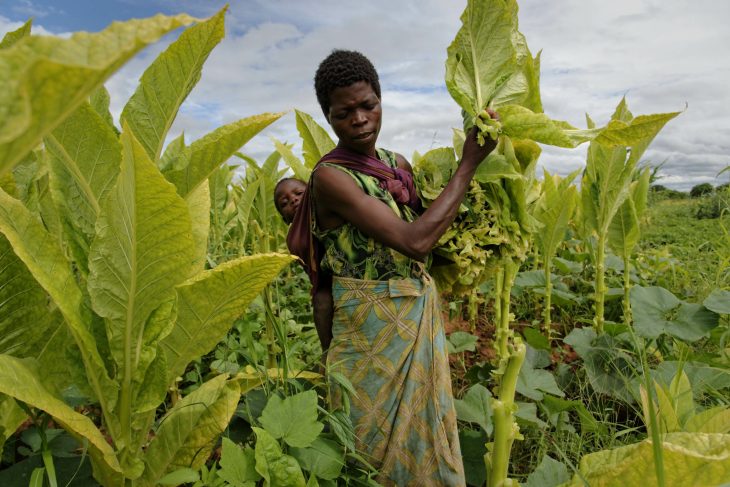
Tobacco Commission Acts to Curb 27M kg Surplus
Malawi’s tobacco sector is under pressure after the 2024-2025 season produced 197 million kilograms of leaf against a buyer demand of 170 million kilograms. This 27 million kilogram oversupply has driven prices down, raised initial floor rejection rates, and weakened farmers’ bargaining power.
In response, the Tobacco Commission (TC) has delayed grower licensing—which usually starts in June—to finalize stricter quota allocations and launch a Know Your Grower project aimed at improving leaf traceability.
Key Takeaway for Agribusiness & Investors: Tighter production quotas and new traceability rules signal a shift toward disciplined, market-aligned supply. Long-term opportunities lie in value addition, contract farming, and quality improvement rather than raw volume.
Season Market Performance: 2024 vs. 2025
Data from the Tobacco Commission comparing the first eight weeks of sales highlights the financial impact of oversupply on national export earnings:
| Market Metric | 2024 Season (8-Week Mark) | 2025 Season (8-Week Mark) |
|---|---|---|
| Volume Sold | 72.7 million kg | 62.0 million kg |
| Total Revenue Generated | $178.4 million (K312.4 billion) | $128.8 million (K225.4 billion) |
| Average Price per kg | $2.45 per kg | $2.07 per kg |
| Burley Rejection Rate | Lower baseline | 64% (down from 98% opening peak) |
Structural Weaknesses in the Sector
Industry experts from the Tama Farmers Trust and independent research reports point out several underlying challenges currently affecting the market:
- Cycle of Overproduction: High prices in 2024 encouraged expanded planting, creating unsold stocks in 2025 and an expected surplus for 2026 that depresses buyer quotes.
- Fewer Active Buyers: The number of active buying companies on the floors has dropped from 11 down to 8, reducing price competition for growers.
- Rising Input Costs: Farmers are facing higher expenses for fertilizer, labor, and transport, making low leaf prices especially hard on smallholders.
Strategic Outlook for Agribusiness
Tobacco remains Malawi’s single largest source of foreign currency, contributing roughly 13 percent of national GDP and half of all export revenues. Last year, the crop brought in a record $540 million.
To protect their bottom line under tighter central controls, growers and commercial firms should adjust their plans:
- Adhere strictly to licensed quotas: Planting only authorized volumes prevents unsold leaf and helps stabilize market prices.
- Focus on leaf presentation and grading: High-quality, clean leaf experiences much lower rejection rates and fetches premium prices.
- Adopt traceability systems: Aligning operations with the Know Your Grower framework helps secure verified buyer contracts.
Source: The Nation Online
What Are Your Thoughts?
Will stricter production quotas and traceability rules restore price stability for Malawian tobacco farmers? Share your thoughts below.
Stay updated on the latest Malawi agribusiness news and market insights by following us on Facebook and Twitter.

- Lindian, French Firm Anchor Technology Deal to Elevate Malawi Economy - September 24, 2026
- Economic Positivity Gains Momentum as Inflation Pressures Ease - September 23, 2026
- Malawi Businesses Set to Gain from K3.4 Trillion Economic Stimulus - September 23, 2026