
German energy initiatives power Malawi’s 2.4 million business network
Key Business Points
- Off-grid solar and clean cooking markets are expanding creating supply chain and distribution opportunities for local entrepreneurs
- Eight hundred four small businesses already supported by energy access programmes demonstrate proven demand for productive use equipment and financing
- Germany’s new Engage programme signals continued international investment in Malawi’s renewable energy sector through regional partnerships
Malawi’s energy access landscape has reached a significant milestone. The Energising Development programme, known as EnDev, has delivered modern energy solutions to 2.4 million people over fourteen years. Minister of Energy Jean Mathanga highlighted this achievement during a high-level dialogue in Lilongwe this week, emphasizing how energy access drives broader economic transformation.
Implemented by GIZ with funding from Germany, the Netherlands, Norway and Switzerland, the programme has connected approximately 240,000 people to electricity through off-grid solar systems. An additional 2.2 million people have gained access to modern cooking solutions, including more than 1.2 million women and girls who traditionally bear the burden of fuel collection and smoke exposure.
The business impact is measurable. EnDev has supported 804 micro, small and medium-sized enterprises across the country, enabling productive use of energy in agriculture, processing and services. One hundred ninety social institutions including health centers and schools have also benefited, improving service delivery in rural communities.
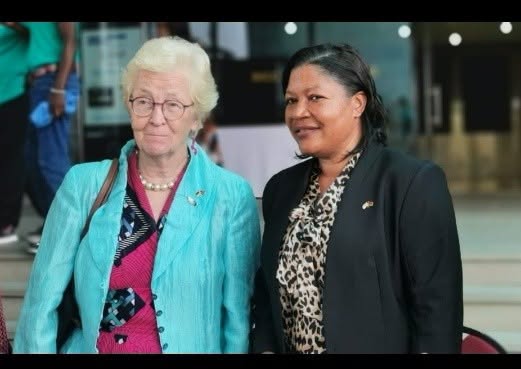
German Ambassador Ute Koenig noted that the programme leaves behind stronger energy markets and enhanced private sector capacity as it transitions to a regional model. The focus on addressing affordability barriers for improved cookstoves and solar products has helped build sustainable market ecosystems rather than dependency on subsidies.
This transition aligns with Malawi 2063 and the National Energy Policy, both of which prioritize energy security as a foundation for industrialization and wealth creation. The newly commissioned Engage programme will continue Germany’s support, accelerating Africa’s transition to accessible renewable energy in partnership with the African Union.
For local business owners, the message is clear. Energy access is not an end in itself but a catalyst for productivity. When solar power reaches a maize mill or a cold storage unit, it creates chuma — economic value — that circulates within communities. The 56,000 metric tonnes of carbon dioxide emissions avoided also position Malawi favorably for climate finance opportunities.
Private sector players in solar distribution, cookstove manufacturing and productive use appliances should note the proven demand. The enabling environment is strengthening with government commitment to scale sustainable solutions. Entrepreneurs who understand local payment cultures — including pay-as-you-go models that respect m’busa cash flow realities — will find growing markets.
As the programme evolves from national to regional implementation, the partnerships and technical expertise developed here become assets for cross-border trade. Malawi’s entrepreneurs now have a track record to reference when engaging investors or applying for green financing. The energy foundation is laid. The next phase belongs to those who will build businesses on top of it.
What are your thoughts on this business development? Share your insights and remember to follow us on Facebook and Twitter for the latest Malawi business news and opportunities. Visit us daily for comprehensive coverage of Malawi’s business landscape.

- Safeguarding Business Profitability: Ecama Warns Against Premature Rate Cuts - October 13, 2026
- German energy initiatives power Malawi’s 2.4 million business network - October 13, 2026
- Creating New Opportunities: Malawi Urged to Enrich Capital Market Offerings - October 13, 2026