
Government Pressed to Turn Tourism Potential into Investment Returns
Key Business Points
- Secure foreign investors by highlighting the tourism sector’s rising demand and the government’s recent steps to simplify permits.
- Upgrade critical utilities such as electricity and water so that hotels and attractions can operate reliably for visitors.
- Tap into new industrial incentives and trade deals to expand manufacturing and agro‑processing, creating jobs and export revenue.
In September, Malawi celebrated World Tourism Day amid a strong tourism performance worth K1.6 trillion, contributing 5.9 percent to GDP and supporting over 726 000 jobs. The momentum shows that the sector is already a pillar of the national economy, yet investors still wait for clearer signals before committing capital.
Managing Director Ramy Waheed of Amaryllis Hotel told the World Tourism Day commemoration that several overseas investors from Russia, the United Kingdom and other regions are eager to fund projects but are hesitating because of perceived risks. He emphasized that “the market is ready, we just need the right environment.” His statement underscores the urgency for the government to remove bottlenecks such as licensing delays and bureaucratic red tape.
Tourism Council Chairperson Justin Dzinkambani highlighted another major obstacle: the foreign exchange rate. Because many construction and equipment imports rely on foreign currency, volatile rates raise material costs and deter buyers. Improving the exchange stability will lower input prices and make Malawian firms more competitive abroad.
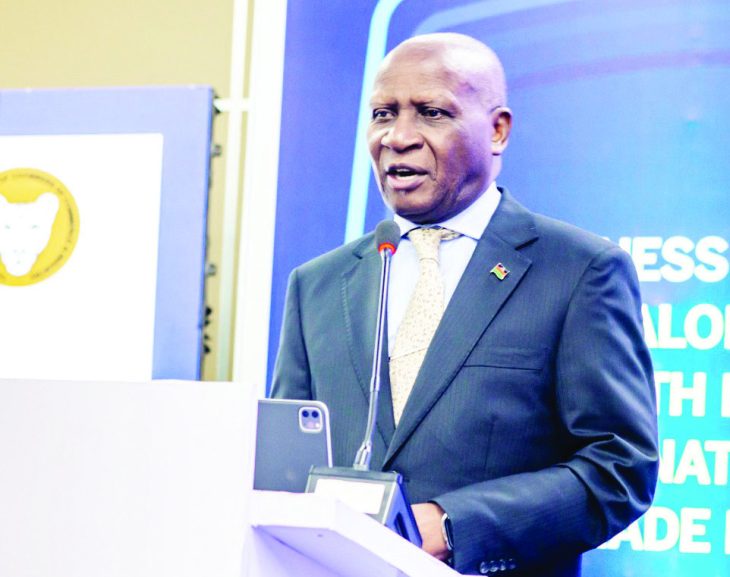
Minister Symon Itaye, head of the Industrialisation, Business, Trade and Tourism portfolio, acknowledged that while macro‑economic challenges persist, the tourism sector continues to grow and upcoming infrastructure works promise further gains. Completed or near‑completion projects along the road network and upgraded visitor centres are expected to increase capacity and attract more travelers.
The day closed with a six‑kilometre tourism parade linking Crossroads Hotel to BICC in Lilongwe, a vivid reminder of how cultural events can showcase the country’s heritage and draw global attention. Such public celebrations create marketing opportunities for small and medium enterprises that sell crafts, food and guided tours.
For local entrepreneurs, the message is clear. First, prioritize upgrading power and water supplies in your premises; reliable services directly improve guest satisfaction and reduce operational downtime. Second, align your business plans with the new industrial incentives and trade agreements announced this year, which can lower production costs and open export routes. Third, engage early with the Ministry of Tourism and the private sector to secure land and permit approvals, turning policy support into tangible profit.
By focusing on these actions, Malawian business leaders can capture the momentum of a thriving tourism market while building resilient industries that benefit the broader economy. The next phase of growth depends on coordinated effort between government, investors and local owners, ensuring that every stakeholder shares in the nation’s prosperity.
What are your thoughts on this business development? Share your insights and remember to follow us on Facebook and Twitter for the latest Malawi business news and opportunities. Visit us daily for comprehensive coverage of Malawi’s business landscape.

- Government Pressed to Turn Tourism Potential into Investment Returns - September 29, 2026
- Debt Crisis Threatens Malawi’s Growth Outlook, Business Leaders Warn - September 29, 2026
- Rudevit opens Malawi’s first fertilizer plant, spurring agricultural growth – The Times Group - September 28, 2026