
Licence freeze threatens Malawi’s mining sector growth, business leaders warn
Key Business Points
- Lift the suspension on new mining licences to unlock foreign exchange and boost GDP.
- Prepare for upcoming production at the Kangankunde Rare Earth Project to capture new revenue streams.
- Focus on compliance and transparency to build investor confidence and ensure community benefits.
The Malawian mining sector stands at a critical crossroads. While individual projects move closer to reality, a nationwide suspension on new mining licences is currently acting as a bottleneck for the entire industry. This administrative pause, coupled with a ban on raw mineral exports, was intended to increase transparency. However, industry leaders warn that these restrictions are slowing efforts to revive the extractive sector and may deter the very investment Malawi needs to grow its economy.
Currently, mining contributes only about one percent to Malawi’s GDP. This low figure is largely because the country lacks enough large scale, operational mines to drive significant export earnings. For local entrepreneurs and the broader economy, the stakes are incredibly high. The sector has the potential to be a massive engine for foreign exchange generation, which is vital for stabilizing the kwacha and reducing import costs.
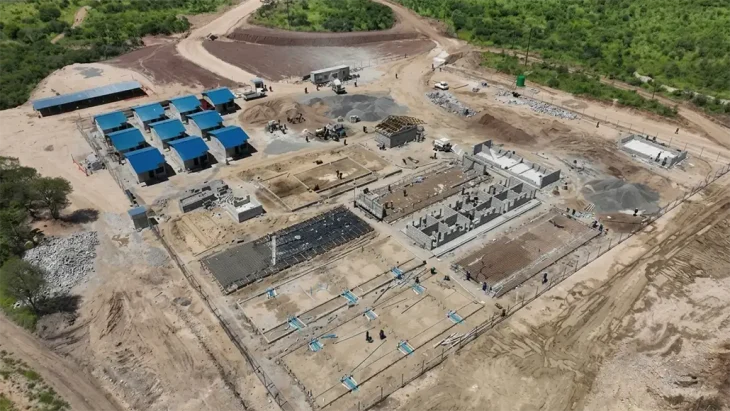
There is, however, a bright spot on the horizon for investors and the national treasury. The Kangankunde Rare Earth Project in Balaka District is making significant strides. Lindian Resources Limited has already completed its first production blast. The company is now constructing a processing plant and expects to begin operations by the end of this year.
The scale of this opportunity is immense. Once fully operational, the Kangankunde Mine is projected to generate approximately $114 million (about K200 billion) annually over a 40 year period. For the government, this means a massive influx of revenue through royalties, income tax, and other levies. Specifically, the state is expected to earn roughly $5.56 million (about K9.7 billion) in royalties alone from these rare earth minerals.
This development highlights a massive opportunity for the country to move from being a mere observer to a significant player in the global minerals market. As Lindian Resources targets commissioning this October, the focus shifts to how these benefits will trickle down. A successful project must ensure that while the government collects its taxes and the company secures its profits, the local community also sees tangible improvements in their lives. This is the essence of kupanga m’moyo (improving livelihoods) through sustainable industry.
The challenge for policymakers remains balancing strict regulation with investor certainty. While the government seeks greater control through audits and reviews, it must ensure that the "rules of the game" are clear and predictable. Too much red tape can drive away the capital needed to turn Malawi’s vast mineral wealth into actual economic growth.
As the Kangankunde project prepares for its first production phase in the fourth quarter of this year, the rest of the sector is watching closely. The ability of the government to lift current suspensions and provide a stable environment for new players will determine whether mining becomes a cornerstone of Malawi’s economic future or remains a small part of the national pie. For the Malawian business community, the window for high stakes investment is opening, provided the regulatory landscape settles.
What are your thoughts on this business development? Share your insights and remember to follow us on Facebook and Twitter for the latest Malawi business news and opportunities. Visit us daily for comprehensive coverage of Malawi’s business landscape.

- German Investors Target Malawi for Market Expansion - October 3, 2026
- Tourism Authority Rollout Spurs Private Sector Confidence - October 3, 2026
- Illovo Contributes K126 Billion in Taxes, Fueling Malawi’s Business Growth - October 3, 2026