
Malawi’s Geological Department: A Cornerstone for Economic Growth and Investment Opportunities
Key Business Points
- Malawi’s Geological Survey Department needs urgent modernization to protect national interests in mineral negotiations
- Current mining license fees are too low at K10,000, failing to generate proper revenue for the government
- The mining sector could generate $30 billion in export earnings by 2040, creating major economic opportunities for investment
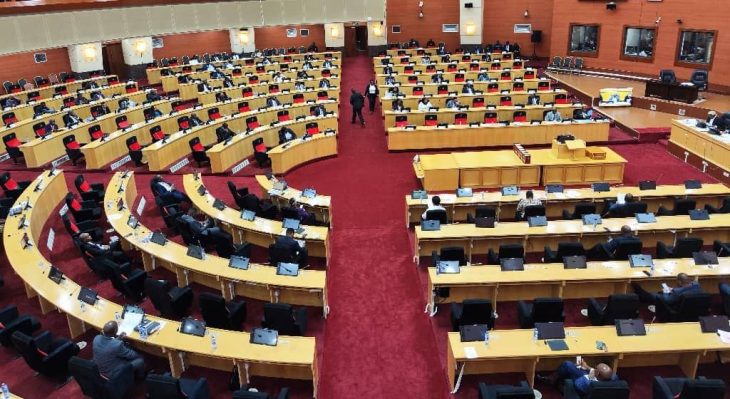
The Parliamentary Committee on Agriculture, Irrigation and Natural Resources and Climate Change has called for urgent improvements to the Geological Survey Department, citing its critical role in protecting Malawi’s mineral resources and negotiating powers.
In their recent report to Parliament, chaired by Tiaone Hendry, the committee highlighted that the mining sector’s current reliance on external investors for exploration leaves Malawi without essential geological data. This data gap puts the country at a significant disadvantage in mining negotiations and resource management.
Committee member Grain Malunga explained the core issue facing Malawians: "How do we get a larger share when another company took the risk and invested their money?" This perspective addresses long-standing concerns about Malawi’s minority ownership stakes in local mining operations.
The committee made several key recommendations. First, they propose restructuring the Malawi Mining Investment Company (Mamico) to strengthen government involvement in mining projects. Second, they recommend substantial increases to mining license fees from the current K10,000 to K1 million annually. The committee argues these low fees limit the Mining and Minerals Regulatory Authority’s ability to collect sufficient revenue from the sector, including foreign exchange since most mining companies are foreign-based.
According to the 2026 Malawi Government Annual Economic Report, the authority licensed 1,222 companies last year. Current projections show revenue collection of K2.2 billion and K2.5 billion for the 2026/27 and 2027/28 financial years, respectively. Mphatso Chikoti, director general of the Mining and Minerals Regulatory Authority, indicated that these recommendations could be implemented through further consultations with stakeholders.
The Department of Mining suggests that stronger investment in exploration would allow the government to identify commercially viable mineral deposits before offering them to investors, providing Malawi with better negotiating position for mining development agreements.
Looking at the bigger picture, the World Bank’s January 2026 Malawi Economic Monitor reveals that the mining sector could generate approximately $30 billion (about K53 trillion) in export earnings between 2026 and 2040. By 2034, annual exports could reach $3 billion (about K5.2 trillion) and remain stable throughout the life of the mines.
Currently, mining contributes about 1% to Malawi’s gross domestic product, according to the 2026 Malawi Government Annual Economic Report. The committee’s recommendations aim to transform this sector from a minor contributor to a major economic driver, creating opportunities for both domestic investment and government revenue collection.
These changes represent a fundamental shift in how Malawi approaches its mineral wealth – from passive exploration to active management and participation in the sector’s growth.
What are your thoughts on this business development? Share your insights and remember to follow us on Facebook and Twitter for the latest Malawi business news and opportunities. Visit us daily for comprehensive coverage of Malawi’s business landscape.

- EDF Drives Gold Market Expansion Across New Districts - September 22, 2026
- Malawi Slashes Trade Clearance to Three Days, Accelerating Business Flow - September 22, 2026
- Malawi’s Consumption Hits K12 Trillion – Business Opportunities Ahead - September 21, 2026