
Strategic Shift: CFTC Set to Review Mount Meru Vivo Energy Acquisition
Key Business Points
- Regulatory approval is pending for Mount Meru Group’s acquisition of Vivo Energy Malawi, with the CFTC yet to receive an application.
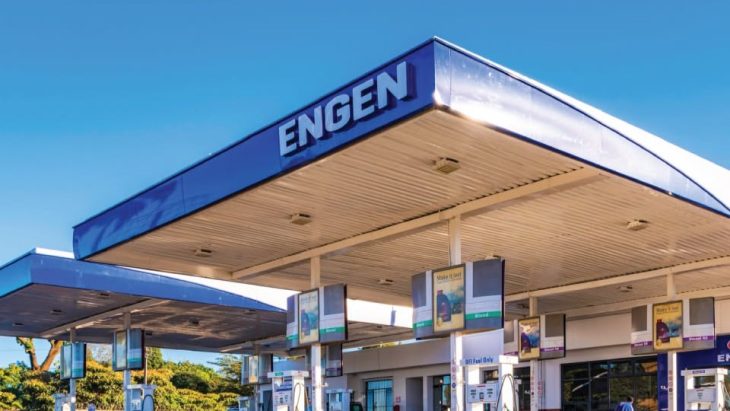
- The deal covers over 50 Engen service stations and commercial fuel operations, expanding Mount Meru’s regional footprint.
- Local stakeholders argue the takeover will not disrupt competition, as both firms are minor players in the market.
The Competition and Fair Trading Commission (CFTC) confirmed it has not yet received an application for regulatory approval of Mount Meru Group’s acquisition of Vivo Energy’s shareholding in Vivo Energy Malawi, which operates under the Engen brand. CFTC spokesperson Innocent Helema stated the transaction is subject to statutory approvals and conditions, with no assessment or monitoring mechanisms in place.
The acquisition involves Vivo Energy’s network of over 50 service stations in Malawi and its commercial fuel and lubricants operations. Mount Meru’s director, Atul Mittal, said the deal builds on its existing presence in the region, while Vivo Energy CEO Stan Mittman described the partnership as a strategic fit. The deal’s financial terms remain undisclosed.
Consumers Association of Malawi (CAM) executive director John Kapito noted that the takeover will have no negative impact on competition, as the two firms are among the smallest in the sector. He emphasized that all oil importers are regulated by the Malawi Energy Regulatory Authority (MERA), ensuring market stability. Petroleum Importers Limited and oil marketing companies declined to comment on potential competitive effects.
The transaction is expected to take several months to complete, pending regulatory sign-offs. Local stakeholders are watching for updates on how the deal will shape the downstream fuel sector. For entrepreneurs, this may signal opportunities in supply chain partnerships or regional expansion, while consumers are unlikely to see immediate price shifts.
As the energy sector evolves, this acquisition underscores the growing influence of regional players like Mount Meru. Businesses in logistics, retail, and fuel distribution should stay attuned to regulatory developments that could reshape market dynamics. Monitoring the CFTC’s review process will be critical for understanding the deal’s timeline and broader implications.
The deal also highlights the importance of adapting to changes in local market structures, particularly in sectors dominated by cross-border investments. While the impact on competition appears limited, it reinforces the need for proactive engagement with policy developments. For small-scale operators, maintaining compliance and leveraging regulatory frameworks will remain key to navigating such shifts.
Ultimately, the acquisition reflects broader trends in Africa’s downstream fuel distribution, where regional consolidation is on the rise. Malawian businesses and entrepreneurs should consider how these patterns might create new opportunities—whether through partnerships, niche markets, or innovation in related industries.
Staying informed and agile will enable stakeholders to capitalise on evolving market conditions, ensuring they remain competitive in an increasingly interconnected sector.
What are your thoughts on this business development? Share your insights and remember to follow us on Facebook and Twitter for the latest Malawi business news and opportunities. Visit us daily for comprehensive coverage of Malawi’s business landscape.

- Malawi’s Investment Ambitions Outpace Available Capital - September 20, 2026
- Mobile Money Fraud’s Hidden Cost: Securing Malawi’s Business Success - September 19, 2026
- Pension, Life Insurance Assets Dip in H1: What It Means for Malawi’s Investment Climate - September 19, 2026