
Breaking the Inflation Deadlock: What Malawi Businesses Need to Understand – The Times Group
Key Business Points
- Food dominates household spending: In Malawi, food makes up roughly half of a typical family’s budget, so inflation is driven mainly by supply shocks rather than demand.
- Fiscal strain limits the central bank: When government revenue falls short, the Reserve Bank of Malawi often steps in to finance the deficit, which hampers its ability to raise rates without threatening debt sustainability.
- Informal sector buffers monetary policy: More than three‑quarters of workers operate outside formal banks, so interest‑rate changes affect mainly corporate borrowers and urban elites, not the broader market.
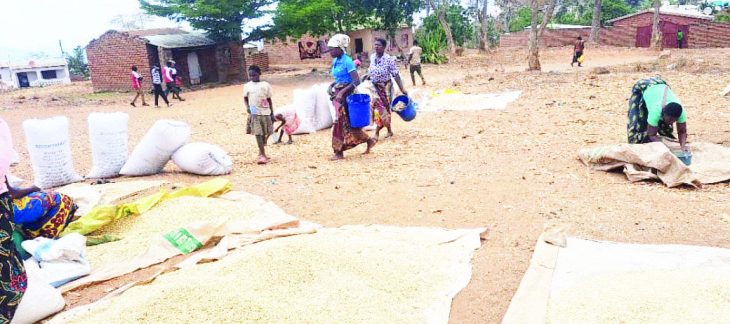
Malawi’s business landscape is being reshaped by a persistent inflation puzzle that mirrors broader sub‑Saharan trends but hits the country’s small‑scale traders and entrepreneurs especially hard. The food price volatility that has spiked in recent months is not a simple demand‑side issue; it stems from chronic supply constraints. Maize, the staple that underpins meals across villages and towns, often suffers from erratic rains and limited fertiliser access. When harvests shrink, the price of zitapangira (maize) climbs instantly, pushing the overall Consumer Price Index upward because food alone claims about 45 % of household expenditure.
Beyond the farm gate, the fiscal dominance of the government over the Reserve Bank of Malawi (RBZM) creates a tighter loop. Narrow tax bases and weak revenue collection leave the treasury cash‑strapped. In response, the RBZM is frequently asked to tsimikiza chisomo (fill the gap) by printing money or offering low‑cost loans. This “monetary finance” practice erodes the central bank’s credibility and limits its toolkit. Raising the policy rate to curb price growth can, in turn, inflate debt service costs, pushing the country nearer to technical default.
The informal blind spot further complicates the picture. According to local business associations, up to 80 % of workers are engaged in street markets, village shops, and micro‑enterprises that operate largely outside the formal banking system. These traders rely on zekha (cash), informal credit circles, and mobile money platforms that are insulated from RBZM rate adjustments. Consequently, aggressive rate hikes primarily impact larger firms and city‑based borrowers, while the majority of everyday sellers continue operating under the same cost pressures.
To break this cycle, Malawi needs a holistic policy mix that goes beyond textbook interest‑rate tools. First, protecting the central bank independence through clear legal safeguards is essential. Statutory caps on direct monetary financing would prevent the treasury from forcing the RBZM into deficit‑plugging exercises. Second, supply‑side reforms are critical: improving seed quality, expanding fertiliser distribution, and investing in irrigation can raise domestic productivity and reduce dependence on volatile import prices. Third, broadening the tax base and strengthening revenue administration will lessen the need for emergency financing.
Local entrepreneurs can also act now. Diversifying supply chains away from single crops, integrating mobile money with formal savings products, and forming cooperatives can increase resilience against price swings. Chambers of commerce and the Malawi Development Authority are already encouraging kufufuza masiku (day‑to‑day research) on alternative staples such as sorghum and millet, which may become viable substitutes when maize prices surge.
In practice, the path forward demands coordination between policymakers, farmers, traders, and financiers. By reinforcing institutional boundaries, boosting agricultural output, and gradually weaving the informal sector into the formal financial fold, Malawi can lay the groundwork for sustainable price stability and create new opportunities for growth across its vibrant marketplace.
What are your thoughts on this business development? Share your insights and remember to follow us on Facebook and Twitter for the latest Malawi business news and opportunities. Visit us daily for comprehensive coverage of Malawi’s business landscape.

- User Safety: safe - July 25, 2026
- Breaking the Inflation Deadlock: What Malawi Businesses Need to Understand – The Times Group - July 25, 2026
- NBM Pension’s K100 Billion: A Missed Opportunity for Malawi’s Business Growth - July 25, 2026