
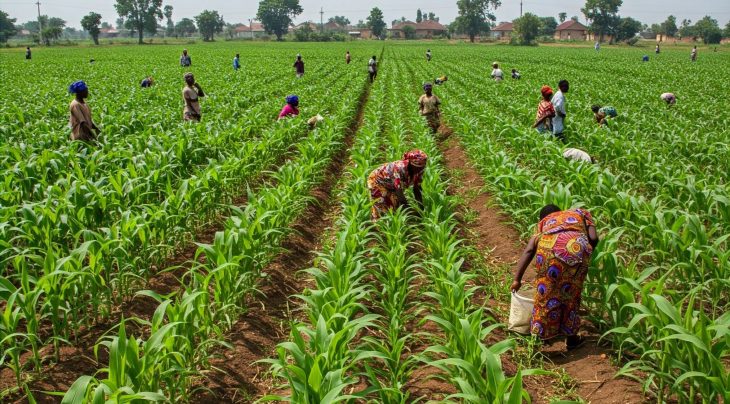
Malawi’s Agricultural Spending Jeopardizes Sustainable Economic Growth
Key Business Points
- Shift agricultural funding from short-term subsidies to long-term productivity boosters like irrigation, storage and technology
- Diversify beyond maize to build climate-resilient food systems and unlock private sector opportunities
- Invest in youth and women through land access, msika wamakono (modern markets), and agri-skills training to drive growth
Malawi’s Maize-First Spending Traps Economy in Food Insecurity Cycle
Malawi’s heavy reliance on maize subsidies has created a high-risk food system vulnerable to climate shocks and inflation, according to a new Mwapata Institute policy brief. The report reveals 41% of public agricultural spending between 2016-2022 went to fertilizer and seed subsidies, while critical growth areas like irrigation (6%), extension services (6%), and research (4%) remain underfunded.
This imbalance locks farmers into low-productivity maize dependence at the expense of diversified crops, agro-processing, and export potential. With agriculture driving 28% of GDP, the pattern directly impacts inflation and fiscal stability—maize shortages or price hikes quickly ripple through the economy.
Urgent Fiscal Reforms Needed
Finance Minister Joseph Mwanamvekha recently acknowledged the need to prioritize supply-side investments, signaling potential policy shifts in upcoming budgets. Experts warn that continued subsidy dominance crowds out funding for infrastructure like grain storage, food safety systems, and logistics—key to reducing post-harvest losses (currently 30-40% for some crops).
Youth: Malawi’s Untapped Agri-Asset
The report identifies limited access to land, credit, and training as barriers keeping youth and women from driving agricultural innovation. Mwapata Director William Chadza stresses that kulemekezeka kwa aphunzitsi (empowering producers) through technology and market links could transform subsistence farming into commercial ventures. Agriculture Minister Rosa Mbilizi adds that targeted support for youth entrepreneurship—particularly in non-maize value chains like legumes or dairy—is vital for long-term resilience.
Pathways for Business Action
- Private sector partnerships in irrigation tech, cold storage, and makangala (processed foods) to reduce import reliance
- Adopt climate-smart practices like drought-resistant cassava or soybean farming to hedge against weather risks
- Lobby for policy consistency in land reforms and decentralised service delivery to strengthen local value chains
As budget discussions advance, Malawi’s business community faces a clear choice: defend short-term subsidy patterns or champion njira yatsopano (new pathways) that build food sovereignty and competitive industries. The cost of inaction—another decade of aid dependency—remains far higher.
What are your thoughts on this business development? Share your insights and remember to follow us on Facebook and Twitter for the latest Malawi business news and opportunities. Visit us daily for comprehensive coverage of Malawi’s business landscape.

- Coalition Drives Debt Management Bill Forward - March 25, 2026
- RBM Calls on Saccos to Drive Prosperity Through Digital Innovation - March 25, 2026
- Dedza’s Path to Sustained Economic Growth and Prosperity - March 25, 2026