
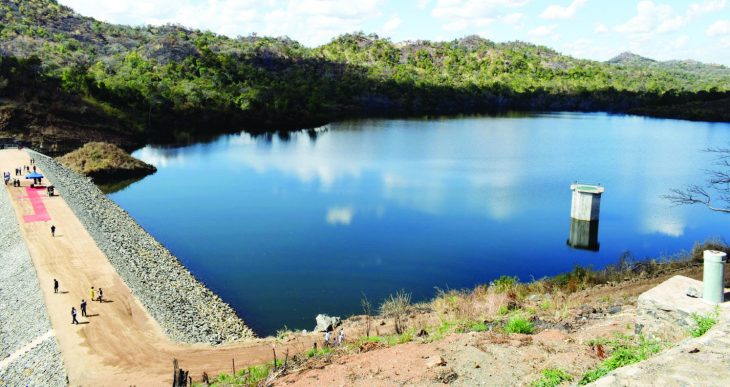
Revitalizing Malawi’s Irrigation Sector: Maximizing Returns for Economic Growth
Key Business Points
- Irrigation investment returns are a concern for the Ministry of Irrigation and Water Development, potentially impacting agricultural productivity and economic growth in Malawi.
- The government has allocated K99 billion for irrigation development in the current financial year, highlighting the importance of irrigation for the country’s food security and export-led growth.
- By 2035, the goal is to develop 220,000 hectares of irrigable land, which could significantly boost agricultural production and export earnings, benefiting local farmers and entrepreneurs.
The Ministry of Irrigation and Water Development has expressed concern over the low returns on investment in irrigation, a crucial sector for Malawi’s economic development. Despite this challenge, the government remains committed to developing the country’s irrigation potential, with a significant allocation of K99 billion in the current financial year. This investment is part of the national irrigation investment masterplan, which aims to develop 220,000 hectares of irrigable land by 2035. The success of this initiative is critical for maloto a kujeza (agricultural productivity) and kukwela kwa uchumi (economic growth) in Malawi.
The development of irrigable land is expected to have a positive impact on uzimu wa chakudya (food security) and malezi a kuwonongeka (export-led growth) in the country. By increasing agricultural production, Malawi can reduce its reliance on imports and boost export earnings, benefiting wafukara (local farmers) and wafanyabiashara (entrepreneurs). The government’s investment in irrigation is a nkhani ya kufikiri (key issue) for the business community, as it has the potential to kugeuza uchumi (transform the economy) and create new fursa za biashara (business opportunities).
To achieve its goals, the government will need to address the challenges facing the irrigation sector, including matenda ya mimea (crop diseases) and njaa (drought). By working with shirika za maendeleo (development partners) and wafanyakazi (stakeholders), the government can develop effective strategies to kuongeza tija (increase productivity) and kupunguza hasara (reduce losses) in the irrigation sector. As the government moves forward with its irrigation development plans, biashara (businesses) and wafanyabiashara (entrepreneurs) in Malawi should be prepared to kushiriki (participate) and kufaidika (benefit) from the opportunities that arise.
What are your thoughts on this business development? Share your insights and remember to follow us on Facebook and Twitter for the latest Malawi business news and opportunities. Visit us daily for comprehensive coverage of Malawi’s business landscape.
