
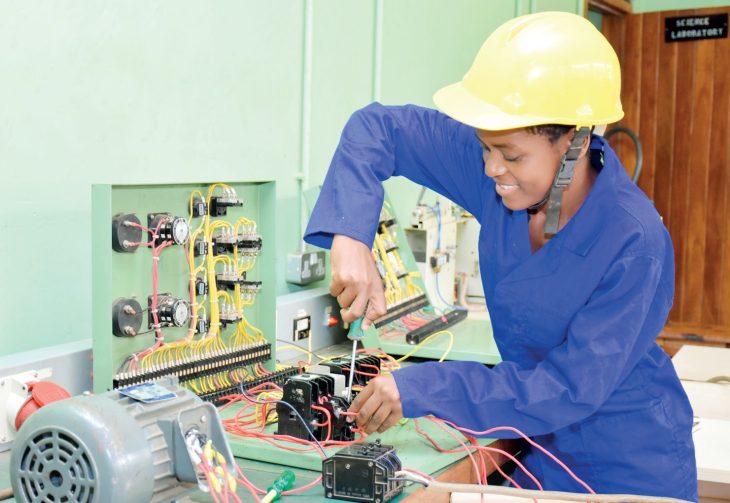
Empowering Malawi’s Future: Minister Fast Tracks Technical College Upgrades for Economic Growth
Key Business Points
- Align technical skills with industry demands by collaborating with vocational colleges to shape practical training programs
- Prepare for workforce expansion nationwide as equipment distribution reaches nearly complete community technical colleges
- Review recruitment pipelines given upcoming supply of graduates with hands-on skills in plumbing, manufacturing and machinery
Malawi Boosts Technical Training to Bridge Skills Gap
The Malawian government has launched large-scale distribution of industry-grade equipment to technical colleges, marking a strategic push to align workforce skills with market needs. During a Thursday inspection in Lilongwe, Minister of Labour, Skills and Innovation Joel Chigona emphasized that prompt delivery of machinery is critical for creating "industry-ready" graduates capable of meeting employer demands.
Over 30 institutions, including community technical colleges (maphunziro a makanika pachikondwerero), will receive transformers, drilling machines, heavy-duty juice processors, sewing machines, and automotive tools. Lawrence Chipale, Deputy Principal of Mzuzu Technical College, confirmed this addresses a "huge gap in practical training resources" that previously limited students’ hands-on experience. "These machines will let us produce artisans with kuchita skills employers want," he stated, noting enhanced training capacity in manufacturing, construction, and food processing sectors.
With community colleges also receiving equipment, the initiative expands technical education access nationwide. This aligns with Malawi’s drive to strengthen economic pillars like agro-processing and infrastructure development through locally trained talent. Entrepreneurs should note upcoming opportunities as new technical graduates enter fields like renewable energy (transformers), garment production (industrial sewing machines), and machinery maintenance.
Businesses are encouraged to engage colleges early on skill requirements and apprenticeship programs. As Chigona stressed, private sector input remains vital to ensure curricula address actual workplace needs. Industries facing technician shortages—particularly manufacturing, construction, and agriculture—should monitor enrollment trends at these upgraded institutions.
The equipment rollout signals long-term workforce development pivotal for attracting investment in production-heavy sectors. Companies planning expansions may find cost efficiencies by partnering with colleges to co-design specialized training modules.
For Malawi’s business community, this infrastructure investment highlights two strategic considerations: preparing to hire technically skilled graduates in 12–24 months, and exploring partnerships with vocational schools to shape in-demand expertise. As Chipale observed, "market-ready skills start with tools in the classroom."
What are your thoughts on this business development? Share your insights and remember to follow us on Facebook and Twitter for the latest Malawi business news and opportunities. Visit us daily for comprehensive coverage of Malawi’s business landscape.

- Government Courts Local Investors on $600 Million Industrial Parks Project - October 8, 2026
- Malawi Business Alert: Price Pressures Signal Margin Squeeze Across Sectors - October 8, 2026
- User Safety: safe - October 7, 2026