
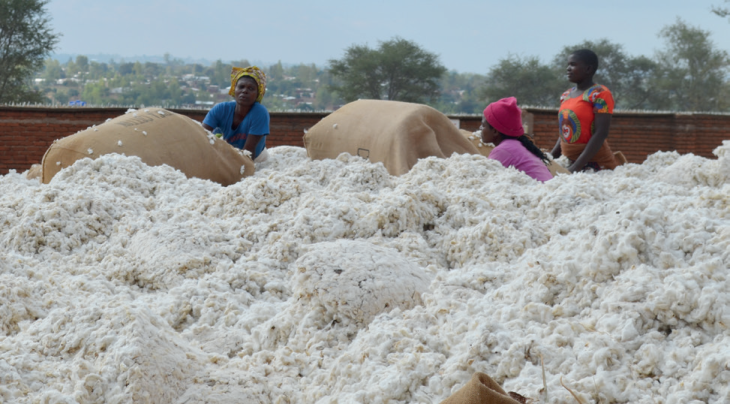
Farmers’ Powerhouse: K4.3bn Boost to Transform Malawi’s Cotton Sector
Key Business Points
- Budget allocation for the Cotton Council of Malawi must increase from K1.78 billion to at least K4 billion to sustain production and industrial growth in 2026/27.
- High cotton seed costs and limited resources are discouraging farmers and reducing registered growers, leading to an expected drop in output next season.
- Industry revival needs urgent government intervention, including input subsidies, better extension services, and long-term political commitment.
Chairperson Tiaone Hendry has told Parliament that the Cotton Council of Malawi must receive more funding than the K1.78 billion currently proposed in the 2026/27 National Budget. She said the sector needs at least K4 billion to revive cotton farming, support smallholder farmers, and strengthen its industrial capacity.
The recommendation follows findings by the Parliamentary Cluster Committee on Agriculture and Irrigation. The council had requested K2.6 billion for the next fiscal year, but was allocated K1.78 billion—down from the K1 billion it received in 2025/26. Hendry said more support is essential to address rising input costs, especially for seeds. She noted that seed prices are inflated by exchange rates and import taxes, creating a major barrier to farmers.
Cotton remains a key cash crop alongside tobacco, tea, and sugarcane, and could help offset economic losses from declining global demand for tobacco. Experts agree. Agricultural policy analyst Leonard Chimwaza pointed out that production improved when more investment flowed into the sector, but political will dropped after 2009.
Output is already falling. This season’s production is projected to drop to just 3,000 metric tonnes from 6,000 in 2024—partly because of frustrations with input costs and payment delays under the newly piloted digital payment system. Farmer organisation leader Labson Zidana blamed both rising costs and difficulties accessing payments for driving many out of the sector.
Despite having four active ginning companies, limited crop supply has kept most operating below capacity for over a decade. The proposed budget gap comes at a time when revitalising cotton could provide jobs, support industrialisation, and diversify Malawi’s export base.
What are your thoughts on this business development? Share your insights and remember to follow us on Facebook and Twitter for the latest Malawi business news and opportunities. Visit us daily for comprehensive coverage of Malawi’s business landscape.
