
AfDB’s $3.9M Investment: Advancing Business Growth Across Malawi
Key Business Points
- Apply now for technical help if you work in Malawi’s energy sector. The African Development Bank’s new $3.9 million program offers expert support to turn energy plans into real projects.
- Explore mini-grid investments urgently. Malawi’s off-grid energy sector needs $1.1 billion—a major gap for local entrepreneurs and investors.
- Align projects with the 70% electricity access target by 2030. Businesses supplying solar/home systems or grid services can benefit from World Bank ($250.8m) and AfDB funding programs.
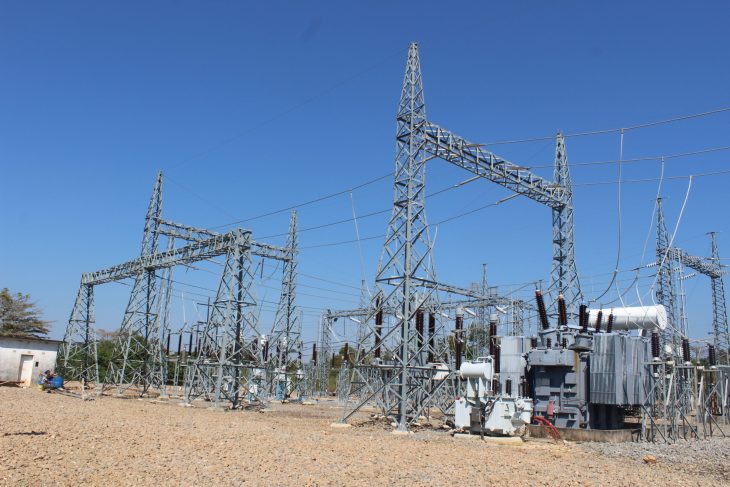
Malawi is among 13 African nations selected for a $3.9 million African Development Bank (AfDB) technical assistance project, designed to speed up electricity access nationwide. The program, called AESTAP Mission 300 Phase II, will help governments turn energy strategies into actual power connections for homes, schools, hospitals, and businesses over two years. This phase focuses on improving regulations, utility efficiency, and investment readiness—key hurdles for Malawi’s energy growth.
AfDB Director Wale Shonibare stressed that technical advisors will embed within national teams to coordinate reforms and track progress. “Countries made big promises in their energy plans. Now we’re helping them deliver real mphamvu [power] to households and entrepreneurs,” he said. Malawi’s compact aims for 70% electricity access by 2030, up from just 25% today, requiring 1.15 million on-grid and 1.55 million off-grid connections.
However, energy expert Edgar Kapiza Bayani warned that technical help alone won’t close Malawi’s energy gap. “We need direct funding for generation projects and mini-grids, not just planning support,” he said. His analysis shows Malawi’s mini-grid sector needs $1.1 billion to scale up—far beyond current grants. While reforms since 2016 laid groundwork, Bayani urges donors to prioritize zinthu zenizeni (tangible actions), like financing solar farms or microgrids for rural mafakitale (industries).
A $250.8 million World Bank grant, signed in 2025, aims to expand Malawi’s installed power capacity by 848MW through mixed technologies. This aligns with the Mission 300 initiative—a joint AfDB-World Bank effort to light up 300 million Africans by 2030.
For Malawi’s business community, energy reliability remains a top obstacle for factories, farms, and startups. The new technical assistance could unlock faster approvals for solar/wind projects, stabilize tariffs for industrial users, and create partnerships with off-grid energy firms. Entrepreneurs in solar equipment sales, grid maintenance, or productive-use appliances (like milk chillers or irrigation systems) should monitor these programs closely.
As mphepo yabwino (winds of change) blow through Malawi’s energy sector, bridging the financing gap will determine whether 2030 targets become reality—or remain plans on paper.
What are your thoughts on this business development? Share your insights and remember to follow us on Facebook and Twitter for the latest Malawi business news and opportunities. Visit us daily for comprehensive coverage of Malawi’s business landscape.

- Government Courts Local Investors on $600 Million Industrial Parks Project - October 8, 2026
- Malawi Business Alert: Price Pressures Signal Margin Squeeze Across Sectors - October 8, 2026
- User Safety: safe - October 7, 2026