
Empowering Malawi’s Growth: Ministry Backs Landmark Skills Development Initiative to Fuel Economic Prosperity
Key Business Points
- The National Framework for the Recognition of Prior Learning (RPL) has been endorsed by the Minister of Labour, Skills and Innovation, aiming to promote equitable skills development and improved employability in Malawi.
- The framework will benefit various stakeholders, including workers seeking to upgrade their skills, employers looking to upskill their workforce, training providers, and the government in achieving its development goals.
- The RPL framework will identify and recognise prior learning, create pathways for further education and training, enhance employability, and contribute to economic growth and national development, making it a crucial step towards (zipata za ukongwe za malawi) or unlocking Malawi’s potential.
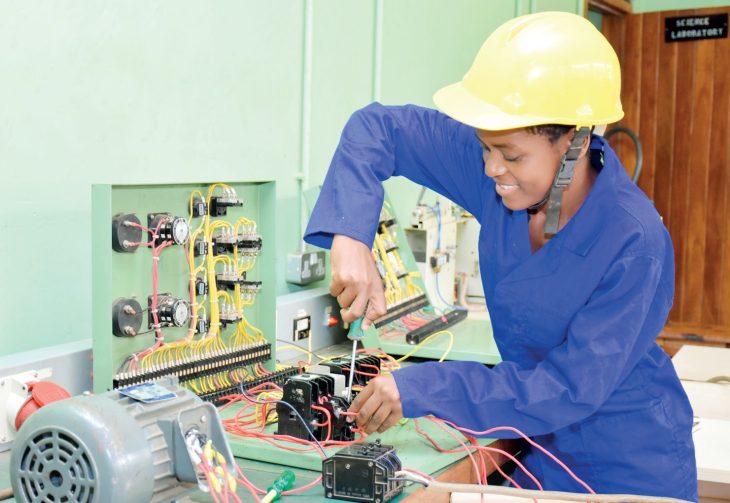
The Minister of Labour, Skills and Innovation, Joel Chigona, has endorsed the National Framework for the Recognition of Prior Learning (RPL), a crucial step towards promoting equitable skills development and improved employability in Malawi. This framework is particularly significant as women remain underrepresented in formal Tevet colleges, highlighting the need for more inclusive approaches to skills development. The minister made the endorsement during a courtesy call to Don Bosco Technical College in Lilongwe, which is implementing the project with funding from Don Bosco Tech Africa.
The framework aims to consolidate all available guidelines into one user-friendly document, ensuring seamless dissemination of information to all stakeholders and the public. This will facilitate the recognition of prior learning, enabling individuals to upgrade their skills and enhance their job prospects. As Father John Musonda, principal of Don Bosco Technical College, noted, the development of the framework follows a baseline survey on Malawi’s recognition of prior learning system in technical, entrepreneurial, and vocational education training (Tevet), which identified gaps and potential areas for growth.
The proposed framework will identify and recognise prior learning, create pathways for further education and training, enhance employability, and contribute to economic growth and national development. By officially recognising and certifying existing skills, the RPL framework will facilitate entry into the workforce for individuals, thereby promoting (mphamvu za zipatso) or economic empowerment. This is particularly relevant for small and medium-sized enterprises (SMEs), which play a vital role in Malawi’s economy, as it will enable them to upskill their workforce and increase productivity.
The RPL framework is a formal process of recognising and certifying the skills and knowledge that individuals attain through work experience, training, and life experience. This approach will help to address the skills gap in Malawi, promoting (kugwira ntchito kwa njira za zipatso) or decent work and economic growth. By investing in human capital, Malawi can unlock its potential and achieve its development goals, making it an attractive destination for foreign investment and local entrepreneurship. As the business community in Malawi continues to grow, the RPL framework will play a crucial role in enhancing employability and promoting economic growth, ultimately contributing to the country’s (malengo a zipatso) or development goals.
What are your thoughts on this business development? Share your insights and remember to follow us on Facebook and Twitter for the latest Malawi business news and opportunities. Visit us daily for comprehensive coverage of Malawi’s business landscape.

- Strengthening Senior Security: Bridging Malawi’s Elderly Pension Gap - March 7, 2026
- Water Leaks Threaten Business Stability in Malawi – Here’s How to Protect Yours - March 7, 2026
- Critical Recovery: Malawi Water Boards Face Dire Financial Crisis – Urgent Reforms Needed to Stabilize Essential Services - March 7, 2026