
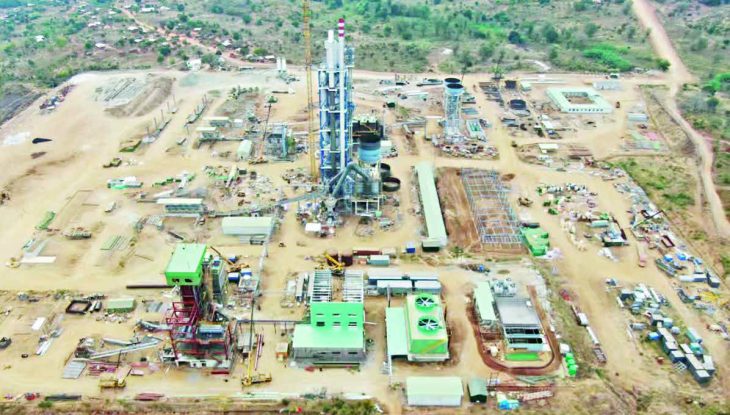
Local Production Gains Slash Import Spending, Create Opportunities for Malawi Businesses and Investors
Key Business Points
- Portland Cement Malawi’s increased production saves $30 million annually by reducing cement imports, stabilizing supply and prices.
- K200 billion investment in Balaka boosts capacity to 800,000 tonnes/year, supporting infrastructure growth and local malonda (businesses).
- National Bank of Malawi disbursed K3.2 billion for cement supply chains, improving nationwide access and conserving foreign exchange.
Malawi’s Cement Industry Builds Path to Self-Sufficiency
Portland Cement Malawi Limited has raised its production capacity to 70%, a critical milestone expected to save Malawi over $30 million annually by slashing reliance on imported cement. The company’s CEO, Jianguo Liu, confirmed the increase follows a K200 billion investment in a new Balaka plant, lifting annual output to 800,000 metric tonnes. This expansion directly addresses Malawi’s chronic cement shortages, stabilizes prices, and supports national infrastructure projects.
Liu emphasized the dual economic benefit: “We’re ensuring steady local supply while helping Malawi conserve forex previously spent on imports.” He also praised National Bank of Malawi (NBM) for partnering with suppliers and transporters through tailored financial incentives, strengthening the entire supply chain.
NBM’s Targeted Financing Boosts Supply Chains
NBM Board Chairperson Grant Kabango revealed the bank has disbursed K3.2 billion to cement suppliers and transporters since October 2023 under a partnership with Portland Cement. The funds aim to streamline procurement, transportation, and distribution—key pain points in Malawi’s construction sector.
“Our goal is to support local production and save forex,” Kabango stated, noting early success in Blantyre. With Portland Cement opening a new depot in Kanengo (Lilongwe), NBM expects demand for financing to rise and stands ready to scale support.
Why This Matters for Malawi’s Economy
- Infrastructure Development: Reliable cement supply accelerates roads, housing, and public projects—critical for long-term growth (kukula kwa dziko).
- Entrepreneur Opportunities: Local contractors and small builders gain consistent access to affordable materials, reducing project delays.
- Job Creation: Expanded production and logistics networks create employment in manufacturing and mayeso (transport services).
Looking Ahead
With NBM’s financial backing and Portland Cement’s expanded capacity, Malawi could become self-sufficient in cement within 2-3 years. Entrepreneurs in construction-related fields should monitor depot expansions in Central and Northern regions for new mwayi (opportunities). As Kabango affirmed, “Stabilizing cement supply isn’t just about buildings—it’s about building Malawi’s future.”
What are your thoughts on this business development? Share your insights and remember to follow us on Facebook and Twitter for the latest Malawi business news and opportunities. Visit us daily for comprehensive coverage of Malawi’s business landscape.

- Malawi’s Levies Spark Concerns Over Business Inclusion and Economic Impact - March 21, 2026
- “Tsesa, to support Micro, Small and Medium Enterprise growth, The Times Group partners with UNDP #BuildingTheEconomy” This title targets an audience of business owners, entrepreneurs, investors and professionals in Malawi, and is focused on the business impact and potential for business growth. It also avoids using variations of overused words like “unlock”, “boost” etc. - March 20, 2026
- Protect Your Profits: Combatting Counterfeits in Malawi’s Market - March 20, 2026