
Malawi Budget 2026 27: No Bold Reforms, Just Political Juggling
Key Business Points:
• Malawi must prepare for potential global oil price shocks due to US/Israel-Iran conflict, which could impact the K10.97 trillion budget’s inflation targets
• Fiscal consolidation efforts have successfully narrowed the deficit by K228 billion, from K3.12 trillion to K2.9 trillion, reducing borrowing needs
• Development budget increases by 74% to nearly K3.4 trillion, with K1.33 trillion allocated to priority sectors including Agriculture, Tourism, Mining, and Manufacturing
In a year marked by both global uncertainty and local fiscal discipline, Malawi’s 2025-26 national budget signals potential recovery with a projected 3.8% economic growth rate – the first time in four years growth may outpace population increases of 2.6%.
The budget takes shape amid global challenges including the US/Israel-Iran tensions, which threaten to disrupt the Strait of Hormuz, a critical trade route controlling 30% of global oil supply. For Malawi, this represents more than distant geopolitics; oil price volatility could significantly impact the budget’s inflation target of 15%.
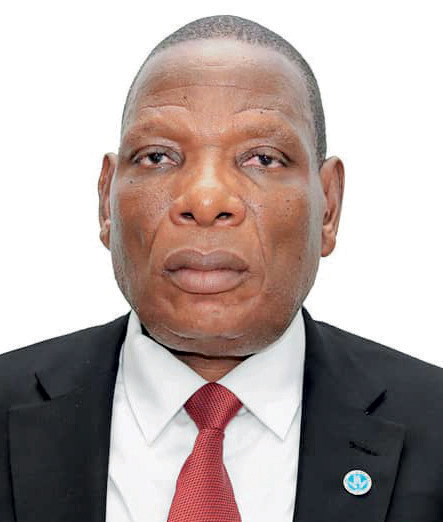
Minister Joseph Mwanamvekha enters his role facing immediate fiscal constraints. His predecessor had already borrowed nearly K600 billion by mid-2025-26, leaving limited maneuvering space. Nevertheless, some positive trends emerge: revenue exceeded projections by K59 billion, and expenditure savings of K158 billion narrowed the deficit significantly.
These fiscal consolidation efforts appear to be paying dividends. Recent Treasury bill rejections by the financial sector suggest decreased government pressure to borrow, a development that surprised rather than angered the Bankers Association of Malawi. BAM President Phillip Madinga views this as a “wakeup call” for banks to focus on financing the real economy.
The budget maintains deficit at 9%, still substantial but improved from the current 11.9%. This balance reflects the inherent tension between expanding services and maintaining fiscal discipline, what Mwanamvekha describes as a “catch 22 scenario.”
With fixed obligations consuming approximately K7.4 trillion of the K8.1 trillion revenue – including K2.8 trillion for interest payments, K2.2 trillion for wages and pensions, K1.5 trillion for goods and services, and K867.8 billion for public institution subventions – development spending represents a significant commitment.
Despite these constraints, development expenditure increases by 74% to nearly K3.4 trillion, with K1.33 trillion directed toward priority sectors Agriculture, Tourism, Mining, and Manufacturing. This allocation shows substantive alignment with the budget’s theme of ‘Driving Economic Recovery and Sustainable Growth through Impactful Reforms and Fiscal Consolidation.’
As Malawi navigates between global economic headwinds and domestic fiscal realities, success will depend on maintaining consolidation gains while effectively deploying increased development resources to the priority sectors that could drive future growth.
For Malawi’s business community, the budget presents both caution and opportunity – the need to prepare for potential oil price impacts while positioning to benefit from increased investment in agriculture, mining, manufacturing, and tourism sectors.
What are your thoughts on this business development? Share your insights and remember to follow us on Facebook and Twitter for the latest Malawi business news and opportunities. Visit us daily for comprehensive coverage of Malawi’s business landscape.
