
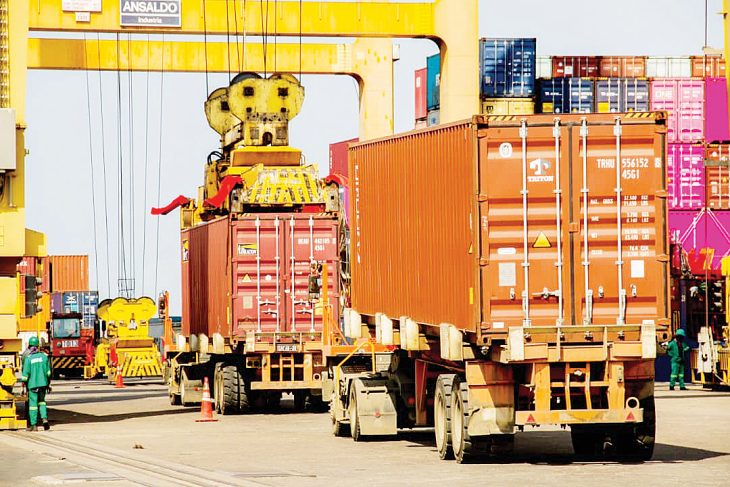
Malawi’s Import Burden: A Growing Concern for Business Leaders and the National Economy
Key Business Points
- Economic imbalance: Malawi’s growing appetite for imports is driving the country’s economic imbalance, according to Finance Minister Joseph Mwanamvekha.
- Private sector challenge: The Minister is challenging the private sector to work on addressing this irregularity and find ways to reduce the country’s reliance on imports.
- Investment opportunities: This presents an opportunity for local entrepreneurs and businesses to identify gaps in the market and develop products or services that can replace imports, contributing to prezidentshi la mafuta ao (self-sufficiency) and uzani wa chuma (economic growth).
Malawi’s economy is facing a significant challenge due to its growing appetite for imports, which is driving an economic imbalance. According to Finance Minister Joseph Mwanamvekha, this trend is unsustainable and needs to be addressed. The Minister is calling on the private sector to take a leading role in addressing this issue, by kujitolea kwa biashara (committing to business) and finding ways to reduce the country’s reliance on imports. This could involve kuchanganua soko (market analysis) to identify areas where local products or services can be developed to replace imports.
The private sector has a crucial role to play in addressing this issue, and uchumi wa kuunganisha (inclusive economy) can be achieved by supporting local businesses and entrepreneurs. By doing so, Malawi can reduce its reliance on imports and promote kaboni za kiwanja (domestic production). This will not only contribute to economic growth but also create nafasi za kazi (job opportunities) and stimulate maendeleo ya kiuchumi (economic development).
Biashara za mitaji (investors) are also being encouraged to invest in local businesses and support the development of new products and services. This will help to kuboresha mchakato wa uzalishaji (improve the production process) and increase the competitiveness of local businesses. By working together, the private sector and government can address the economic imbalance and promote uchumi thawi (sustainable economy) in Malawi.
The Minister’s call to action presents an opportunity for local entrepreneurs and businesses to innovate and develop new products or services that can replace imports. By doing so, they can contribute to malawi kuuza (Made in Malawi) and promote uchumi wa kuendesha (driven economy). This will not only benefit their businesses but also contribute to the country’s economic growth and development. As the private sector works to address the economic imbalance, Malawi can look forward to a more thamani ya chuma (stable economy) and a brighter future for its businesses and entrepreneurs.
What are your thoughts on this business development? Share your insights and remember to follow us on Facebook and Twitter for the latest Malawi business news and opportunities. Visit us daily for comprehensive coverage of Malawi’s business landscape.

- Critical Recovery: Malawi Water Boards Face Dire Financial Crisis – Urgent Reforms Needed to Stabilize Essential Services - March 7, 2026
- Malawi’s Legume Harvest Plummets – Here’s What It Means for Your Business - March 6, 2026
- From Stability to Prosperity: Malawi’s Economic Path Ahead - March 6, 2026