
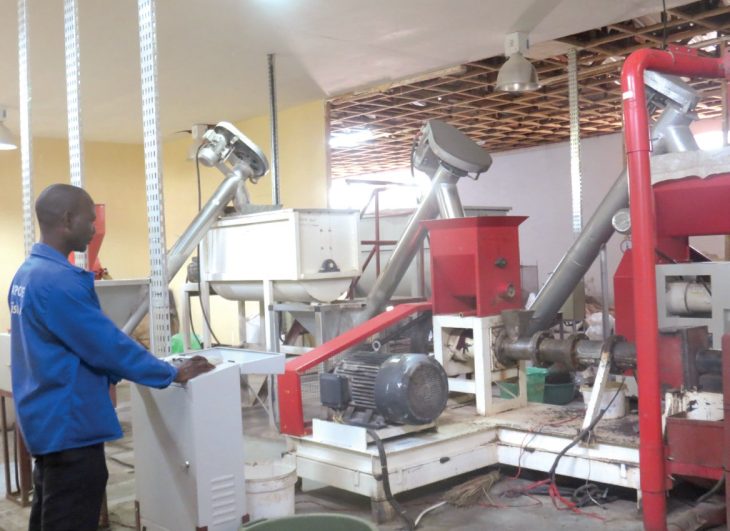
Malawi’s Manufacturing Sector Sees Steady Uptick in 2025, Fueling Economic Momentum
Key Business Points
- The manufacturing sector in Malawi is projected to grow by 1.8 percent in 2025, a rebound from 0.2 percent last year, driven by better agriculture output and growing optimism for growth.
- Foreign exchange challenges and electricity disruptions continue to limit access to raw materials and hinder industrial operations, posing a risk to the sector’s growth.
- The sector is expected to strengthen further in 2026, with growth estimated at 2.5 percent, backed by a better agricultural season and efforts to stabilize the economy.
The Reserve Bank of Malawi (RBM) has revised its growth projection for the manufacturing sector in 2025 to 1.8 percent, down from 2.4 percent earlier this year. This downward revision is attributed to persistent foreign exchange shortages, which have limited access to imported raw materials, spare parts, and machinery essential for production. Zinthu zikugwira ntchito, or the lack of raw materials, has been a significant challenge for manufacturers, with many operating at reduced capacity. The RBM report notes that ongoing disruptions in electricity supply have also hindered industrial operations and suppressed output.
Despite these challenges, the sector is expected to register a slight improvement over 2024, driven by better agriculture output in 2025 and growing optimism for growth towards the end of the year. Kukonda kwa ufafanuzi, or the improvement in agricultural production, is expected to provide a boost to the manufacturing sector. The RBM projects that the sector will strengthen further in 2026, with growth estimated at 2.5 percent, backed by a better agricultural season and current efforts to stabilize the economy.
Analysts have described the sector’s projected growth as encouraging, coming from a period where most industries scaled down production. However, they note that foreign exchange scarcity remains the main risk facing the sector going forward. Manufacturers Association of Malawi chairperson Gloria Zimba said that persistent foreign exchange scarcity has heavily affected production, with many industries operating at reduced capacity. Kugwira ntchito kwa chipatalo, or operating at reduced capacity, has been a common challenge for manufacturers due to the lack of raw materials.
The Chamber for Small and Medium Enterprises executive secretary James Chiutsi said that the expected growth is positive for the sector, which is critical to economic growth. However, he noted that the sector should do better, considering its importance to the country’s economic development. The Malawi Confederation of Chambers of Commerce and Industry (MCCCI) Business Climate Survey for the first half of this year found that businesses failed to fully utilize their installed productive capacity due to foreign exchange scarcity, high inflation, and rising costs of inputs.
Minister of Industrialisation, Business, Trade and Tourism George Partridge agreed that capacity utilization has been on the downward trajectory for some time due to an unsatisfactory business environment. He emphasized the need to prioritize immediate actions to improve the business environment and implement them with speed. Kusintha kwa malamulo, or changing the laws, and kulekeza kwa ngozi, or investing in the economy, are critical to supporting the growth of the manufacturing sector. The Ministry of Finance, Economic Planning and Decentralisation has revised Malawi’s gross domestic product growth rate for 2025 from 2.8 percent to 2.7 percent due to weaker-than-expected performance in key sectors.
What are your thoughts on this business development? Share your insights and remember to follow us on Facebook and Twitter for the latest Malawi business news and opportunities. Visit us daily for comprehensive coverage of Malawi’s business landscape.

- FCB to Fuel Growth in Malawi’s Mining Sector - September 23, 2026
- China’s Digital Economy Playbook: Growth Lessons for Malawi’s Businesses – The Times Group - September 23, 2026
- Malawi’s Debt Risk: A Strategic Opportunity for Business Leaders - September 22, 2026