
Navigating Prosperity in Malawi: Capitalizing on Opportunities Amidst Fiscal Prudence
Key Business Points
- Monetary policy consistency was a defining feature of 2025, with the Reserve Bank of Malawi (RBM) maintaining a tight stance to control inflation and stabilize the exchange rate, despite pressure from businesses and economists to ease conditions.
- High lending rates limited private-sector credit growth, particularly for small and medium-sized enterprises (SMEs), while commercial banks adopted a cautious approach to lending due to elevated funding costs and rising credit risk.
- Structural reforms are necessary to address the underlying drivers of inflation and support economic growth, with experts emphasizing the importance of liquidity management, fiscal restraint, foreign-exchange reform, and food-supply stability.
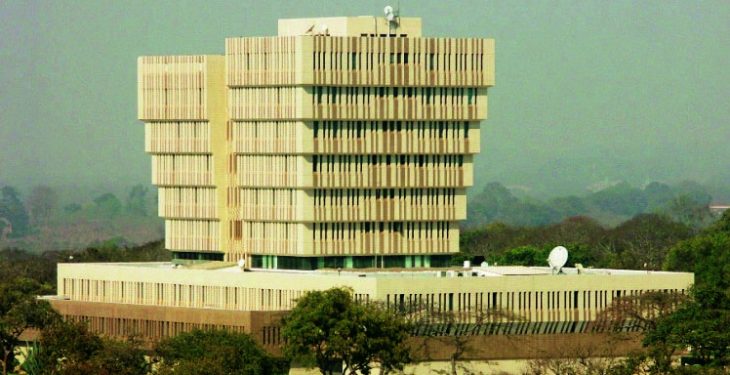
The year 2025 was marked by a deliberate policy choice by the RBM to prioritize inflation control and exchange-rate stability over short-term economic relief. The central bank maintained a tight monetary stance throughout the year, keeping the policy rate at 26 percent and resisting pressure to ease conditions. This decision was driven by concerns over persistent inflation risks, largely driven by food prices, exchange-rate pressures, and fiscal imbalances. The RBM’s Monetary Policy Committee (MPC) warned that inflation risks remained skewed to the upside, and policymakers favored continuity over experimentation.
The tight-money strategy produced mixed outcomes, with inflationary pressures appearing contained, but the cost widely felt across the economy. High lending rates limited private-sector credit growth, particularly for SMEs, while commercial banks adopted a cautious approach to lending. The strong performance of the banking sector masked weaknesses in the real economy, with economist Marvin Banda arguing that traditional monetary strategies tend to fail when an economy is stagnating. Banda contended that inflation control in Malawi depends less on raising the policy rate and more on liquidity management, fiscal restraint, foreign-exchange reform, and food-supply stability.
The fiscal dynamics also limited the effectiveness of monetary policy, as sustained government borrowing crowded the domestic financial market. Less than a quarter of domestic credit flowed to the private sector, highlighting the need for structural reforms to address the underlying drivers of inflation and support economic growth. As Malawi looks ahead to 2026, the legacy of 2025’s tight monetary stance looms large, with the central question being whether the discipline of the past year has created enough stability for cautious easing or whether inflation risks will again force policymakers to keep money expensive. Zinthu zultonse (things are tough) for many Malawian businesses, but with the right kalonga (policy) decisions, there is hope for a more stable and supportive economic environment in the future.
What are your thoughts on this business development? Share your insights and remember to follow us on Facebook and Twitter for the latest Malawi business news and opportunities. Visit us daily for comprehensive coverage of Malawi’s business landscape.

- Malawi Economy Ends Year Strong – What It Means for Business Growth - April 2, 2026
- Pension Fund Insights: A Game Changer for Malawi’s Economic Landscape - April 2, 2026
- Malawi’s Cheque Trends: What It Means for Your Business Strategy - April 2, 2026