
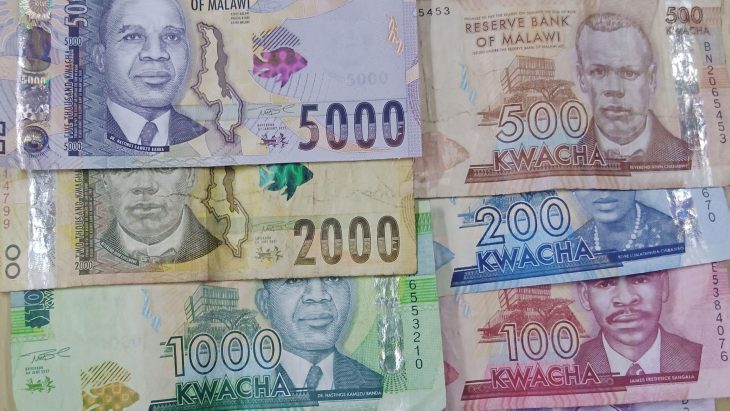
Q3 Kwacha Rebound: A Turning Point for Malawi’s Economic Growth
Key Business Points
- The Kwacha gained ground against major currencies such as the British Pound and Euro in the third quarter of 2025, with a 2 percent and 0.4 percent increase, respectively.
- The local currency remained stable against the US dollar, trading at K1,750.37, and has maintained an average of K1,750 against the US Dollar for over a year.
- Foreign exchange management is crucial, as the Kwacha’s performance may reflect tight administrative management of improved foreign exchange inflows, rather than an improvement in Malawi’s trade balance, according to economist Velli Nyirongo.
The Kwacha’s slight gain against other trading currencies in the third quarter of 2025 is a notable development for Malawi’s business community. According to the Reserve Bank of Malawi (RBM), the local unit remained stable against the US dollar, trading at K1,750.37. The Kwacha’s stability is a positive sign for businesses that rely on imports, as it can help reduce costs and increase predictability. The gain against the British Pound and Euro can also be beneficial for exporters, as it can make Malawian goods more competitive in the global market.
The RBM attributed the weakening of the Euro to slow economic activity in the Eurozone, ongoing trade uncertainties, and expectations that interest rates in the US would remain higher. In contrast, the Kwacha appreciated against the Japanese Yen and Indian Rupee, closing the quarter at K11.70 per yen and K19.53 per rupee, respectively. However, the local currency weakened against the Chinese Yuan, which gained strength during the quarter due to a weaker US dollar, increased foreign investment flows, and policy support from China’s central bank.
The depreciation against the South African Rand is a concern, as it can make imports from South Africa more expensive. The rand was supported by higher global gold prices, improved trade performance, and better fiscal conditions in South Africa. Economist Velli Nyirongo noted that the Kwacha’s performance does not automatically signal an improvement in Malawi’s trade balance, but may instead reflect tight administrative management of improved foreign exchange inflows. This highlights the importance of effective foreign exchange management in maintaining the Kwacha’s stability.
As the Malawian economy continues to evolve, businesses must stay informed about market trends and exchange rates to make informed decisions. The Reserve Bank of Malawi’s policy measures appear to be bearing fruit, and businesses can take advantage of the stable exchange rate to plan for the future. With the right strategies in place, Malawian businesses can thamangitsa (grow) and thrive in the current economic environment. By staying up-to-date with the latest developments and kugwiritsa ntchito (utilizing) available resources, entrepreneurs can capitalize on opportunities and drive economic growth in Malawi.
What are your thoughts on this business development? Share your insights and remember to follow us on Facebook and Twitter for the latest Malawi business news and opportunities. Visit us daily for comprehensive coverage of Malawi’s business landscape.
