
Revitalizing Livelihoods: How Malawi’s Business Leaders Can Catalyze Economic Growth and Stability
Key Business Points
- Malawi’s social protection programs, such as the Social Cash Transfer Programme (SCTP), provide short-term relief but struggle to sustain livelihoods and create jobs due to limited coverage and low transfer values.
- The country’s development partners, including the World Bank and African Development Bank, recommend increasing social protection spending from 0.9% to at least 2% of GDP to improve economic inclusion and entrepreneurship.
- Businesses and entrepreneurs can capitalize on the growing need for sustainable livelihoods and economic inclusion by investing in initiatives that promote kuwala kwa ajira (job creation) and kujilinda (self-reliance) among low-income households.
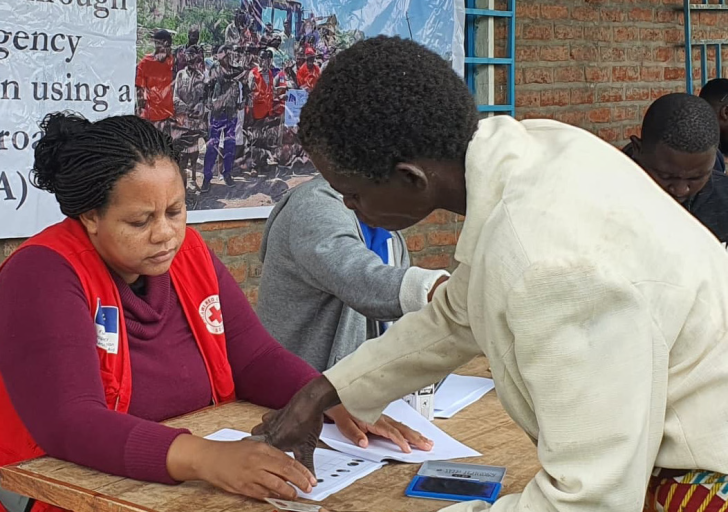
Malawi’s social protection programs, despite reaching 27% of the population, struggle to provide long-term economic benefits and job creation. The development partners have emphasized the need to shift focus from social assistance to ufufuwo (economic empowerment) and kulima (farming) initiatives that promote entrepreneurship and self-reliance. The current SCTP, which provides an average transfer value of K15,000 per household, has improved food security and school enrollment rates but has limited impact on lifting households out of poverty.
The mbali ya maisha (cost of living) crisis is eroding household welfare, and social protection programs are struggling to keep pace. Experts, including Centre for Social Concern’s Agness Nyirongo, argue that social protection should be expanded in scale, value, and reach to address the growing needs of low-income households. With the cost of living at K938,841, there is a need for malemu (solutions) that promote sustainable livelihoods and economic inclusion.
The sustainability of Malawi’s social protection programs is under threat due to heavy reliance on donor aid, which accounts for 95% of funding. Scotland-based economist Velli Nyirongo notes that the design and financing of these programs will be crucial in determining their ability to lift households out of poverty and build resilience. As the country looks to kuvina (develop) its economy, businesses and entrepreneurs can play a vital role in promoting economic inclusion and job creation by investing in initiatives that support low-income households.
What are your thoughts on this business development? Share your insights and remember to follow us on Facebook and Twitter for the latest Malawi business news and opportunities. Visit us daily for comprehensive coverage of Malawi’s business landscape.

- Malawi’s Tourism Boom: A K1 Trillion Opportunity for Business Growth! - March 4, 2026
- Bad Loans Fall: Positive Shift Signals Economic Recovery - March 3, 2026
- Bank Levy Deductions Spark Public Outcry and Economic Debate in Malawi - March 3, 2026