
Revitalizing Malawi’s Economy: Govt Sets Sights on Overhauling User Fees and Charges to Stimulate Business Growth
Key Business Points
- The Ministry of Finance, Economic Planning and Decentralisation is reviewing user fees and charges to reflect the true economic cost of providing social services and public goods, aiming to strengthen non-tax revenue performance and improve efficiency through business process reviews and automation.
- The review is part of efforts to manage the fiscal space, which is projected to have a deficit of K3.1 trillion this financial year, and will include departmental receipts, road traffic fees, passport fees, surveys fees, lands application fees, and court users fees.
- The introduction of new tax measures, including a value added tax rate increase from 16.5 percent to 17.5 percent and bank and mobile money levies, is expected to have an impact on businesses and individuals, with economists noting that managing rising public spending is crucial to avoiding further tax and non-tax measures.
The Ministry of Finance, Economic Planning and Decentralisation has unveiled plans to review user fees and charges as part of its efforts to broaden the tax base and improve revenue administration systems. According to the 2026 Economic and Fiscal Policy Statement, the review aims to improve the efficiency of non-tax revenue collection and management through business process reviews and automation. This move is expected to have a significant impact on zifukwa za biashara (business operations) in Malawi, as it will affect the cost of providing social services and public goods.
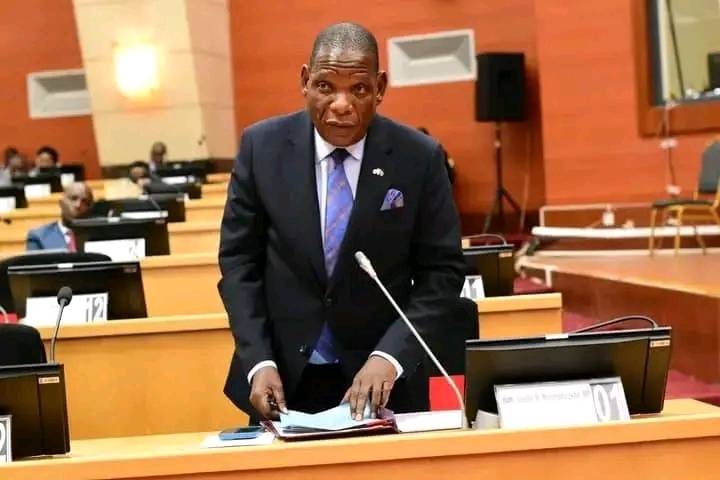
The review of user fees and charges comes at a time when the fiscal space is effectively closed, with a projected deficit of K3.1 trillion this financial year. In his 2025/26 Mid-Year Budget Review Statement, Minister of Finance, Economic Planning and Decentralisation Joseph Mwanamvekha noted that the government is unable to meet its basic obligations without resorting to borrowing. Economists have observed that the introduction of new tax and non-tax measures is inevitable, unless rising public spending is managed. Mzuzu University economics lecturer Christopher Mbukwa noted that "kuchita kuwiri kwa mankhwala" (increasing public spending) due to subsidies and other programs will likely lead to new strategies for financing, including tax and non-tax measures.
Economist Milward Tobias has cautioned that while charging cost-reflective fees on services such as passports and driving licenses is economically sound, it is the duty of the government to address overexpenditure. He emphasized that the primary duty of any government is to facilitate the delivery of goods and services to its people, and that "kugawa kwa mankhwala" (managing public spending) is crucial to achieving this goal. As Malawi’s business community navigates these changes, it is essential to stay informed about the latest developments in economic policy and to plan strategically to mitigate the impact of new tax and non-tax measures. By "kuzingatia biashara" (being mindful of business operations) and adapting to the changing economic landscape, entrepreneurs and business owners can "kupanga chini" (plan ahead) and position themselves for success in the midst of these challenges.
What are your thoughts on this business development? Share your insights and remember to follow us on Facebook and Twitter for the latest Malawi business news and opportunities. Visit us daily for comprehensive coverage of Malawi’s business landscape.

- Nico Group Waves Goodbye to Leading Executive as Strategic Shift Begins - March 15, 2026
- Speaker Suleman Aligns Legal Reforms to Drive Business Growth in Malawi - March 15, 2026
- Tobacco Farmers Drive New Economic Growth Opportunities - March 15, 2026