
Revitalizing Malawi’s Economy: Tapping into Climate Financing Opportunities for Sustainable Growth
Key Business Points
- Climate financing is a crucial aspect for Malawi’s business community, with the International Institute for Environment and Development (IED) emphasizing the need to intensify climate financing projects in least developed countries.
- Access to climate finance remains a significant issue, with least-developed countries accessing only 18 percent of global climate change financing, and actual implementation councils accessing a mere 10 percent.
- Investment opportunities exist in climate-resilient programs, such as the Life AR initiative, which aims to build communities’ climate change resilience and promote sustainable agriculture, with potential for business partnerships and knowledge sharing between countries like Malawi, Uganda, and Ethiopia.
The International Institute for Environment and Development (IED) has stressed the importance of increasing climate financing in least developed countries, citing the significant gap in access to global climate change financing. According to IED director Bethany Donthorn, least-developed countries only access 18 percent of climate financing, while the actual implementation councils receive a mere 10 percent. This disparity highlights the need for more climate finance initiatives to support vulnerable communities.
In Malawi, the Life AR program is being implemented in Mangochi, Salima, and Rumphi districts, with a focus on building climate resilience and promoting sustainable agriculture. The program has shown promising progress, with the Ministry of Natural Resources Energy and Mining reporting satisfactory implementation. The project’s success can be attributed to team work and knowledge sharing between countries, as evident from the learning and knowledge-sharing visit by Uganda’s delegation to Malawi.
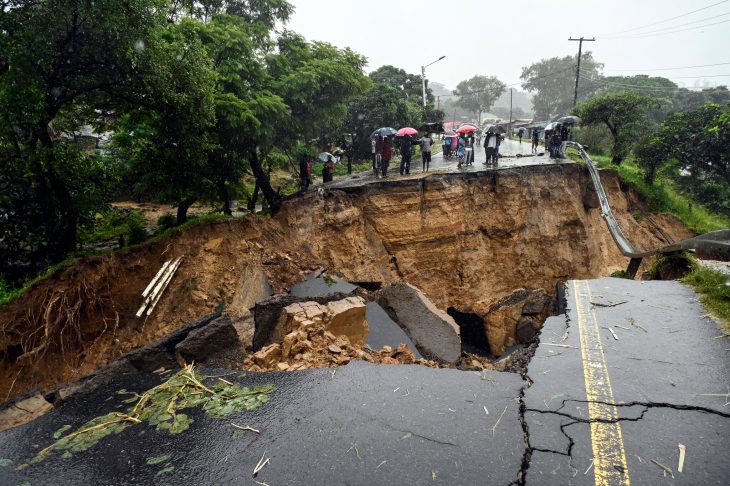
The Life AR program’s initiatives include reforestation, irrigation, fish farming, and bee-keeping, which target both commercial agriculture and climate resilience. In Rumphi District, communities are implementing interventions such as tree and vetiver grass planting, and constructing a 300-metre dyke to protect fields and homes from floods. These initiatives demonstrate the potential for climate-resilient investments and business opportunities in Malawi.
As ActionAid notes, African nations will pay $60 billion in debt repayments in 2024, while rich nations should be providing $1.4 trillion annually in climate finance. This highlights the need for international cooperation and climate finance support to help vulnerable countries like Malawi address the impacts of climate change. As Malawi’s business community looks to the future, it is essential to prioritize climate-resilient investments and sustainable practices, such as those promoted by the Life AR program, to ensure long-term economic growth and prosperity. By embracing mkwapatira (sustainability) and kuwerengera (resilience), Malawi’s businesses can contribute to a more climate-resilient future.
What are your thoughts on this business development? Share your insights and remember to follow us on Facebook and Twitter for the latest Malawi business news and opportunities. Visit us daily for comprehensive coverage of Malawi’s business landscape.

- Speaker Suleman Aligns Legal Reforms to Drive Business Growth in Malawi - March 15, 2026
- Tobacco Farmers Drive New Economic Growth Opportunities - March 15, 2026
- Malawi Joins Regional Pact to Slash Transport Expenses - March 15, 2026