
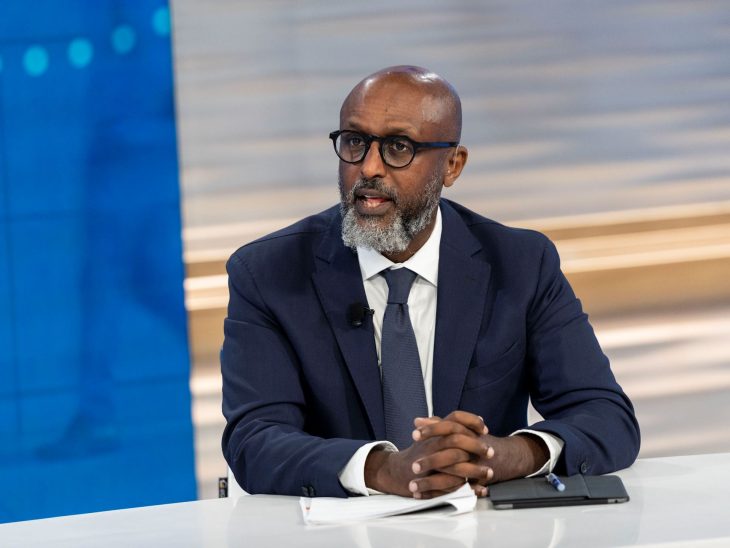
Shaping Malawi’s Economic Future: New Opportunities Emerge as IMF Leadership Transitions
Key Business Points
- IMF African Department director Abebe Selassie’s retirement on May 1, 2026, marks the end of a tenure that navigated sub-Saharan Africa’s economic challenges, including those faced by Malawi, and guided the institution’s engagement with 45 countries.
- The IMF’s role as a trusted partner to African members, including Malawi, has been reinforced under Selassie’s leadership, with a focus on adapting to evolving needs and balancing short-term stabilization with longer-term recovery considerations.
- Malawi’s economic challenges, such as dwindling foreign-exchange reserves, elevated inflation, and climate-related disasters, have been addressed through the IMF’s engagement, with Selassie leading a delegation to the country in November last year to discuss emergency response and recovery strategies, known in Chichewa as "ndondomeko za kukwikula".
The International Monetary Fund (IMF) has announced the retirement of its African Department director, Abebe Selassie, effective May 1, 2026. Selassie has led the department since 2016, guiding the institution’s engagement with 45 countries, including Malawi, through a period marked by surging programme demand and heightened vulnerability. According to IMF managing director Kristalina Georgieva, Selassie has played a crucial role in reinforcing the fund’s role as a trusted partner to African members, adapting to evolving needs, and balancing short-term stabilization with longer-term recovery considerations.
In November last year, Selassie led an IMF delegation to Malawi to engage with authorities on the country’s emergency response, addressing challenges such as dwindling foreign-exchange reserves, elevated inflation, and the impact of climate-related disasters. Minister of Finance, Economic Planning and Decentralisation Joseph Mwanamvekha praised Selassie as a "reasonable interlocutor" who demonstrated a clear understanding of Malawi’s constraints and priorities. This engagement reflected the broader role of the African Department under Selassie in responding to crisis-driven programme demand while balancing short-term stabilization with longer-term recovery considerations, a concept known in Chichewa as "kujumpha kati".
As an Ethiopian national, Selassie joined the IMF in 1994 and built a 32-year career that included senior roles as deputy director in the African Department. His retirement marks the end of a tenure defined by overlapping economic shocks across sub-Saharan Africa, including those faced by Malawi. The IMF’s continued engagement with Malawi and other African countries will be crucial in addressing these challenges and promoting economic growth, investment opportunities, and local entrepreneurship, or "uchumi wa nyumba" in Chichewa. As the IMF looks to the future, it is likely to continue playing a vital role in supporting Malawi’s economic development, with a focus on ndondomeko za maendeleo (development planning) and uchumi wa nyanja (regional economy).
What are your thoughts on this business development? Share your insights and remember to follow us on Facebook and Twitter for the latest Malawi business news and opportunities. Visit us daily for comprehensive coverage of Malawi’s business landscape.

- Making Social Insurance Work for Malawi’s Business Community - March 1, 2026
- Unlocking Malawi’s Trade Potential: K411 Billion in Barriers Explained - February 28, 2026
- Malawi Secures K75bn Chinese Grant for Landmark Dual Carriageway - February 28, 2026