
Taming Inflation: The Key to Igniting Malawi’s Economic Growth
Key Business Points
- Inflation rates in Malawi have declined for the first time in five months, standing at 27.9 percent in November, primarily due to lower food prices, which is a positive sign for mkhkhore (business owners) and entrepreneurs.
- The Reserve Bank of Malawi (RBM) and economists hold differing views on the monetary policy framework, with some arguing that high interest rates are penalising government borrowing without addressing the core drivers of inflation, such as chilima cha ntchito (food prices) and foreign exchange movements.
- A potential reduction in interest rates could be on the horizon if inflation continues to ease, which would provide mafuta (relief) to borrowers and potentially stimulate economic growth, making it an important development for w achikondi (investors) to watch.
The recent decline in Malawi’s inflation rate has sparked a debate between economists and the Reserve Bank of Malawi (RBM). While the RBM has welcomed the news, renowned economist Winford Masanjala has criticized the bank’s monetary policy framework, arguing that high interest rates are unfairly penalizing government borrowing. Masanjala believes that inflation in Malawi is largely driven by chilima cha ntchito (food prices) and foreign exchange movements, rather than money supply growth. He suggests that lowering the policy rate would not worsen inflation, and could potentially provide mafuta (relief) to borrowers.
On the other hand, RBM Deputy Governor Kisu Simwaka has described the decline in inflation as "a step in the right direction." Simwaka notes that if the trend is sustained, it could open up policy space to reduce interest rates, which would be beneficial for mkhkhore (business owners) and entrepreneurs. However, he also cautions that reducing rates prematurely could fuel inflation and deplete reserves. The RBM has kept the policy rate at 26 percent since January 2024 to stabilize the kwacha, and Simwaka believes that inflation is expected to ease further as food availability improves.
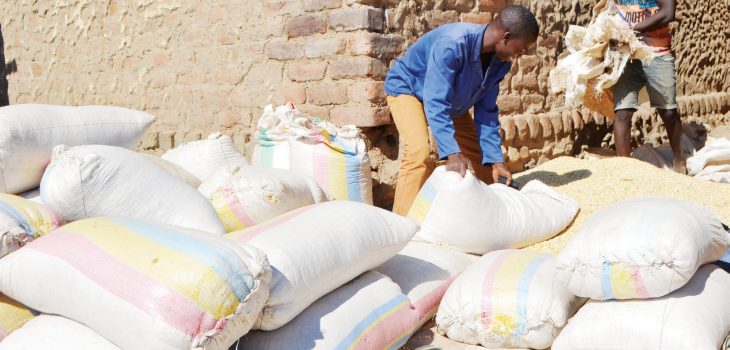
The decline in inflation has been driven by lower chilima cha ntchito (food prices), particularly a 6 percent decline in maize prices to K1,168 per kilogramme. Non-food inflation, however, has edged up to 24.2 percent from 23.8 percent. Simwaka notes that meteorological forecasts point to normal to above-normal rainfall in the 2025-26 season, which could raise prospects of continued stability in chilima cha ntchito (food prices). As the situation continues to evolve, it is essential for w achikondi (investors) and mkhkhore (business owners) to stay informed about the latest developments and their potential impact on the economy.
What are your thoughts on this business development? Share your insights and remember to follow us on Facebook and Twitter for the latest Malawi business news and opportunities. Visit us daily for comprehensive coverage of Malawi’s business landscape.

- Malawi Slashes Trade Clearance to Three Days, Accelerating Business Flow - September 22, 2026
- Malawi’s Consumption Hits K12 Trillion – Business Opportunities Ahead - September 21, 2026
- EDF and FDH Bank Partner to Drive Malawi’s Gold Buying Expansion - September 21, 2026