
Tapping into a Greener Future: Malawi’s Carbon Trading Opportunity for Economic Growth
Key Business Points
- Carbon trading is being positioned as a new source of climate finance in Malawi, offering opportunities for conservation, climate resilience, and community development without increasing public debt.
- The carbon market framework released last year provides a structure for authorisation, monitoring, reporting, and verification, attracting environmentally sustainable investment to the country.
- Labour-intensive public works programmes are being implemented under the Regional Climate Resilience Programme, targeting 13 000 ultra-poor but labour-capable households and providing tangible economic benefits.
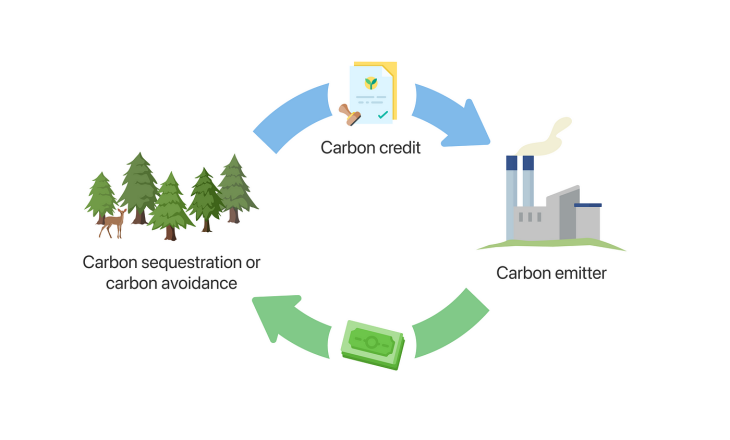
Malawi is embracing carbon trading as a novel approach to secure climate finance, with the potential to fund conservation efforts, climate adaptation, and mitigation. This emerging market is expected to contribute significantly to the country’s development without relying on traditional debt financing. The plan was outlined at a recent carbon trading awareness and media training workshop in Salima, held under the World Bank-supported Regional Climate Resilience Programme (RCRP).
According to Tawonga Luka, director of environmental affairs at the Ministry of Natural Resources, carbon trading offers a new avenue for mobilising development finance while attracting environmentally sustainable investment. The carbon market framework, released last year, is a crucial component of the government’s strategy to define rules for authorisation, monitoring, reporting, and verification. This framework is designed to provide a structured approach to carbon trading, ensuring that it benefits the country and its people.
The RCRP, a 10-year initiative financed by a $240 million grant from the World Bank, aims to enhance climate resilience in Eastern and Southern Africa. In Malawi, the programme is implementing labour-intensive public works programmes targeting approximately 13 000 ultra-poor but labour-capable households. These initiatives are expected to translate into tangible economic benefits for vulnerable households, particularly in urban and disaster-prone areas. As Yvonne Sundu, RCRP media specialist, noted, climate resilience initiatives should have a direct impact on the lives of those who need it most.
As Malawi’s business community explores opportunities in carbon trading, it is essential to understand the nzika ya mchitidwe, or market dynamics, and how they can contribute to the country’s ukulu wa chipatala, or economic growth. By leveraging carbon trading, Malawian businesses can access new funding sources, reduce their environmental footprint, and support maendeleo ya jamii, or community development. With the right approach, carbon trading can become a vital component of Malawi’s economic strategy, driving uchumi wa kuungana, or inclusive economic growth, and improving the lives of its citizens.
What are your thoughts on this business development? Share your insights and remember to follow us on Facebook and Twitter for the latest Malawi business news and opportunities. Visit us daily for comprehensive coverage of Malawi’s business landscape.

- Strengthening Senior Security: Bridging Malawi’s Elderly Pension Gap - March 7, 2026
- Water Leaks Threaten Business Stability in Malawi – Here’s How to Protect Yours - March 7, 2026
- Critical Recovery: Malawi Water Boards Face Dire Financial Crisis – Urgent Reforms Needed to Stabilize Essential Services - March 7, 2026