
Economic Gloom Overshadows Malawi 2063 Vision
Key Business Points
- Poverty persists despite GDP growth, with 76.5 percent of Malawians living on less than $3 a day, highlighting the need for inclusive economic policies.
- Agriculture remains underperforming despite absorbing 10 percent of the national budget, with maize yields far below their potential, calling for investment in high-value crops.
- Current GDP growth rates of 1.8 percent are insufficient for Malawi’s population growth and Vision 2063 targets, requiring structural reforms to unlock prosperity.
Malawi’s aspirations to achieve middle-income status by 2063 are being hampered by a widening gap between modest economic growth and rapid population expansion, according to recent data and government officials.
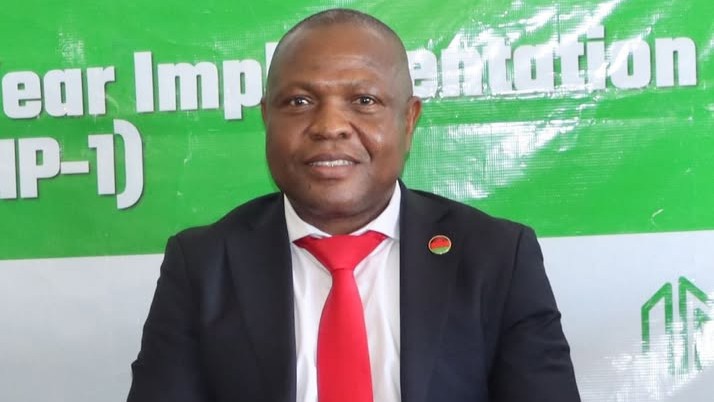
The National Planning Commission director general, Frederick Changaya, highlighted that Malawi’s development ambitions face a structural challenge where economic gains fail to keep pace with population increases. With growth averaging just 1.8 percent while population grows at 2.7 percent annually, real progress remains elusive.
Poverty indicators paint a troubling picture. World Bank data shows that 76.5 percent of Malawians live below the international poverty line of $3 per day, up from 76 percent just two years earlier. Mw 2063, Malawi’s long-term development blueprint, envisions the country reaching lower middle-income status by 2030 with GDP per capita around $1,086.
However, economic growth has averaged only 2.2 percent—far below the 10.6 percent initially required to meet this target. The statistics reveal a concerning trend: even when GDP grows modestly, population increases effectively negate these gains, leaving individual purchasing power, or GDP per capita, to decline for the fourth consecutive year.
Agriculture, which employs the vast majority of Malawians and consumes over 10 percent of the national budget, continues to underperform despite significant investments. Current maize yields average just 2.1 metric tonnes per hectare, less than half of government targets and a small fraction of the 10 tonnes per hectare potentially achievable with improved practices and technology.
Changaya emphasized that the country needs strategic focus on value chains rather than traditional maize production. He described initiatives aimed at promoting high-value crops such as chilli, thyme, and vanilla, which offer substantially higher returns per hectare than staple crops. This shift, he argued, represents the most practical approach for an agro-based economy grappling with land and resource constraints.
The agricultural sector’s vulnerability to natural disasters compounds these challenges. Changaya noted that each major climate event reduces economic growth by approximately 20 percent, and Malawi’s geographic vulnerability makes such shocks a recurring threat. Recent weather-related downturns have further weakened agricultural output, undermining broader economic stability.
Independent economists reinforce these concerns. Agnes Nyirongo from the Centre for Social Concern stressed that rising poverty levels indicate economic benefits are not trickling down to ordinary Malawians. She emphasized that planned growth projections of 3.6 percent in 2026 will be insufficient to reduce poverty without inclusive policies and meaningful structural reforms.
Chistopher Mbukwa from Mzuzu University observed that Malawi’s development efforts since 2021 have not produced the desired poverty reduction results, suggesting that existing strategies have not made economic growth resilient enough to withstand shocks. The recurring pattern of setbacks following climatic or economic disruptions indicates fundamental vulnerability in the current development model.
Government projections remain cautiously optimistic. The 2025/26 National Budget proposes economic growth rising to 3.8 percent in 2026 up from 2.7 percent in 2025 and reaching 4.9 percent by 2027. However, even these improved rates may not suffice unless accompanied by diversification, investment in value-added agriculture, and measures ensuring that growth reaches the poor.
The current trajectory suggests each percentage point of GDP growth must now accomplish far more than in comparable economies, given the demographic pressure. Business leaders and entrepreneurs face a context where traditional opportunities in the agricultural sector remain constrained, but where innovation in high-value production and value chain development could provide new pathways for prosperity.
What are your thoughts on this business development? Share your insights and remember to follow us on Facebook and Twitter for the latest Malawi business news and opportunities. Visit us daily for comprehensive coverage of Malawi’s business landscape.

- Economic Gloom Overshadows Malawi 2063 Vision - March 18, 2026
- Transforming Malawi’s Economy: Breaking Barriers for Business Growth and Investment Opportunities - March 18, 2026
- TIMES Group Salutes Nico: 31 Years of Excellence by Chiundira - March 18, 2026