
Fueling Growth: Tackling Malawi’s Costly Energy Landscape to Drive Economic Prosperity
Key Business Points
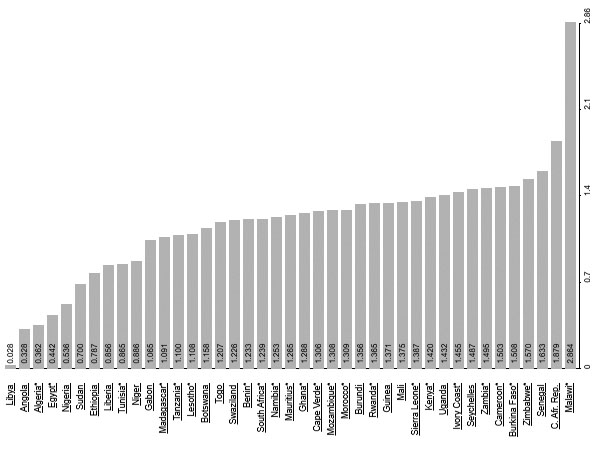
- Fuel price hike: Malawi’s fuel prices have increased by 41%, making them the highest in Africa, with petrol now at K4,965 ($2.84) per litre and diesel at K4,945 ($2.83) per litre.
- Economic impact: The hike is expected to have a ripple effect on transport, food, and other essential services, leading to inflation and slow economic activity, with the urban and rural poor being hit the hardest.
- Business implications: The increase in fuel prices will raise production and distribution costs, weaken competitiveness, and reduce disposable incomes, placing additional strain on already vulnerable businesses and households, emphasizing the need for transparent and independent fuel price adjustments.
The recent fuel price hike in Malawi has sent shockwaves throughout the country, with motorists and consumer advocates expressing widespread concern. The Malawi Energy Regulatory Authority (MERA) announced the 41% increase, citing the Automatic Pricing Mechanism (APM) as the reason for the adjustment. The APM had been suspended for three years, but the rising landed cost of fuel beyond the ±5% threshold compelled MERA to act. Lucas Kondowe, MERA Board Chairperson, stated that the reintroduction of APM aimed to restore sustainability in fuel pricing amid global volatility.
The Consumers Association of Malawi (Cama) has warned that the hike will have far-reaching consequences, including increased transport costs, higher food prices, and a deepening cost-of-living crisis. John Kapito, Cama Executive Director, criticized MERA’s decision, saying it lacked empathy and foresight. The Economist Intelligence Unit (EIU) has also projected further inflationary pressure for Malawi, citing fuel as a key driver. The EIU notes that Malawi’s import-dependent economy is vulnerable to global price shocks, and without forex buffers, fuel costs will continue to rise.
Bertha Chikadza, Economics Association of Malawi (Ecama) President, emphasized that the fuel price hike is both a symptom and signal of deeper economic pressures facing the country. She explained that fuel is a key input across almost all economic sectors, and an increase immediately raises production and distribution costs. In the short term, this will lead to inflation and slow economic activity, while in the medium term, it can weaken competitiveness, reduce disposable incomes, and place additional strain on already vulnerable businesses and households.
Economist Marvin Banda called on the government to present its Economic Recovery Plan, citing incoherent policy implementation. He also advocated for more transparent and independent fuel price adjustments, warning that the urban poor and rural poor will be hit the hardest by inflation due to income inequality and transport-related costs. As zinthu zikukwana (things are getting tough) for many Malawian businesses and households, it is essential to kugwira ntchito (work together) to find solutions to these economic challenges and mitigate the impact of the fuel price hike.
What are your thoughts on this business development? Share your insights and remember to follow us on Facebook and Twitter for the latest Malawi business news and opportunities. Visit us daily for comprehensive coverage of Malawi’s business landscape.

- Government Courts Local Investors on $600 Million Industrial Parks Project - October 8, 2026
- Malawi Business Alert: Price Pressures Signal Margin Squeeze Across Sectors - October 8, 2026
- User Safety: safe - October 7, 2026