
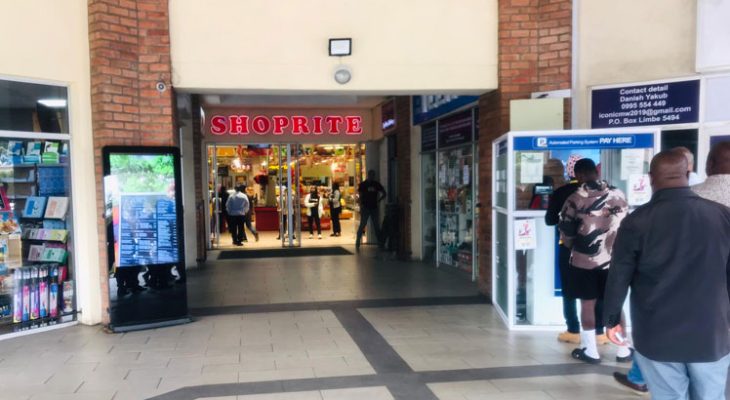
Icon Properties: Shoprite Departure Spurs Opportunity in Malawi’s Evolving Market
Key Business Points
- Msika ukusintha: Vacant prime retail space at Chichiri Shopping Centre opens doors for new businesses to fill gaps left by major retailers.
- Adapt to fluctuations: Persistent forex shortages and high operating costs require businesses to diversify supply chains or explore local alternatives.
- Protect jobs and consumer trust: New investors must prioritize employee retention and service continuity to maintain public confidence.
South Africa’s Shoprite Exits Malawi After 24 Years, Signaling Retail Shifts
Malawi’s retail landscape faces transformation as Shoprite, a key tenant at Blantyre’s Chichiri Shopping Centre, closes its doors on June 29, ending a 24-year presence. Owner Icon Properties plc termed the move a “natural evolution,” celebrating the partnership while urging local businesses to seize emerging opportunities (“msika ukusintha” – the market is changing).
The closure aligns with Shoprite Holdings’ multi-year retreat from African markets outside South Africa, driven by currency instability, high import tariffs (misonkho yapamwamba), and costly operations. Since 2020, the retailer exited six countries, including Nigeria and Kenya. Despite this trend, Icon Properties emphasized Chichiri remains operational, with plans to announce a new anchor tenant soon.
Employment safeguards set precedent
The Competition and Fair Trading Commission (CFTC) mandated strict terms for new operator Karson Investment Trust:
- Retain all willing employees.
- Honour exit benefits for departing staff.
- Submit compliance reports biennially.
“This protects livelihoods and maintains service standards,” said Charles Kumchenga of Malawi Congress of Trade Unions. The conditions aim to mitigate public concerns over job losses and supply disruptions.
Broader retail challenges persist
Shoprite’s exit follows Spar’s 2022 departure, highlighting structural pressures in Malawi’s wholesale/retail sector, the economy’s second-largest contributor after agriculture. Heavy import reliance exacerbates risks amid chronic forex shortages. For instance, Shoprite closed its Zomba branch in 2022 after sustained losses, mirroring sector-wide strains.
Two critical lessons emerge:
- Local partnerships matter: Icon’s focus on “anchor-led tenant mixes” stresses the need for resilient collaborations to stabilize retail hubs.
- Consumer trust is fragile: Businesses must ensure consistent service to retain customers during transitions.
Opportunities amid uncertainty
While foreign retailers recalibrate, Malawian entrepreneurs can leverage vacant commercial spaces to test concepts or scale operations. Innovations in logistics, local sourcing (kugula kwa pasogolo), or value chains could offset import dependencies.
As one era ends, Malawi’s business community faces a pivotal question: How will they redefine the next chapter of retail growth?
What are your thoughts on this business development? Share your insights and remember to follow us on Facebook and Twitter for the latest Malawi business news and opportunities. Visit us daily for comprehensive coverage of Malawi’s business landscape.
