
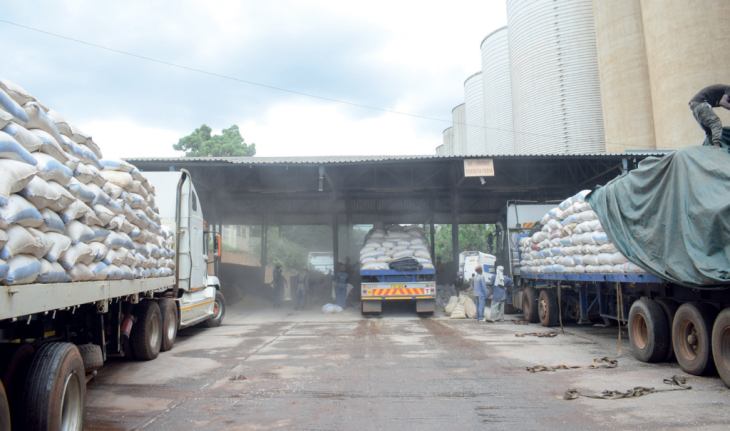
Malawi Maize Prices Surge 13% in February—What It Means for Your Business
Key Business Points
- Maize prices in Malawi rose by 13% in February due to declining supply, reversing a four-month decline and signaling market volatility for food-based businesses.
- Cross-border maize imports remain strong, especially from Mozambique, but local production gaps and inflation pressures persist, affecting input costs and consumer margins.
- Expanding irrigation and off-season farming is crucial to stabilizing maize supply, reducing import dependence, and supporting predictable pricing for retailers and processors.
After months of steady decline, Malawi’s maize prices rebounded in February, rising by 13% to an average of K1,111 per kilogramme—up from K977 per kg in January. This shift, tracked by the International Food Policy Research Institute, marks a reversal of the earlier downward trend and signals renewed supply pressure across the market.
The surge is attributed to reduced availability, as imports that previously helped drive prices down slowed and seasonal demand heightened. Prices remain lowest in the Northern Region at K928 per kg, with highest costs in the South at K1,173 per kg, widening regional trade differences.
Informal maize trade across borders remained largely import-driven, especially from Mozambique. Notable exceptions include Mchinji, Mqocha/Jenda, and Mbirima, which registered maize exports—highlighting how localized surplus can still influence national flows.
This price rebound follows a sharp 16% drop in January, which was unusually low for the lean season and mainly driven by government imports from Zambia aimed at short-term price relief. Industry leaders warn that increasing maize imports is not a sustainable solution, particularly with inflation still near 25%.
Economic analysts stress the need for long-term fixes such as expanding off-season production and supporting smallholder irrigation. This would enable farmers to grow maize beyond normal cycles, reducing supply gaps that push prices up in lean months and helping businesses plan more reliably.
The latest price shift underscores how maize—a core staple—remains a decisive factor for Malawi’s inflation, food access, and agribusiness viability. Stakeholders in retail, transport, and food processing should prepare for continued volatility unless investment in domestic production increases.
What are your thoughts on this business development? Share your insights and remember to follow us on Facebook and Twitter for the latest Malawi business news and opportunities. Visit us daily for comprehensive coverage of Malawi’s business landscape.

- Malawi Maize Prices Surge 13% in February—What It Means for Your Business - March 17, 2026
- Malawi’s Economy: February Sees 4.6% Drop in Cost of Living – What It Means for Your Business - March 17, 2026
- Spotting Lucrative Opportunities: Smart Investment Picks for Malawi’s Growing Market - March 17, 2026