
Navigating Malawi’s Financial Landscape: Opportunities for Growth and Resilience
Key Business Points
- Debt management reforms are crucial for Malawi to protect itself from tightening global financial conditions, with the country’s external debt stock growing from $1.02 billion in 2010 to $3.6 billion in 2023.
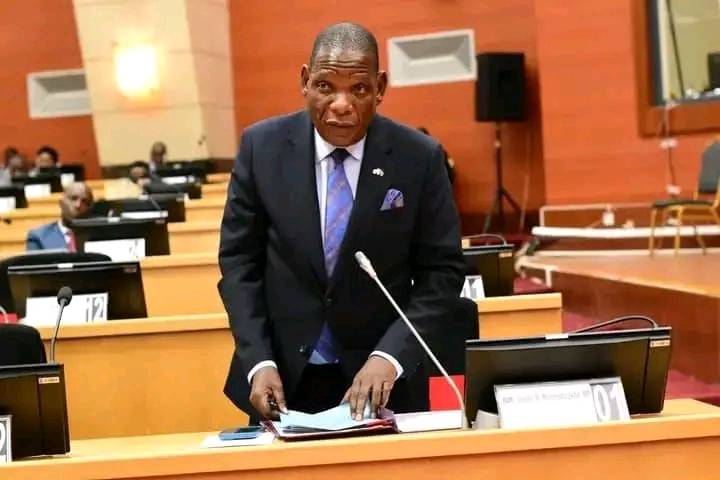
- Fiscal discipline is necessary to halt further deterioration, with Minister of Finance Joseph Mwanamvekha emphasizing the need for difficult decisions, including recent tax measures and wage-bill controls, to restore stability and promote ufizi wa bajeti (fiscal responsibility).
- Private-sector growth is at risk due to rising debt, which may weaken Malawi’s recovery and suppress private-sector activity, making it essential for businesses to kukula ndalama (manage finances) effectively and explore alternative funding options.
The latest International Debt Report by the World Bank highlights Malawi’s vulnerability to exchange rate shocks, rising interest costs, and limited access to concessional financing, with the country’s debt now standing at 232 percent of export earnings. This has sparked renewed calls for stronger fiscal discipline, improved debt transparency, and coordinated economic reforms to protect the country from tightening global financial conditions. Zikomo za mafuta (fuel prices) and other external factors have also contributed to the surge in debt.
The report’s release coincides with a heated debate in Parliament over Malawi’s debt trajectory, with the Leader of Opposition Simplex Chithyola-Banda arguing that public debt rose fivefold due to major devaluations that inflated the kwacha value of external liabilities. Minister of Finance Joseph Mwanamvekha has defended the government’s position, citing unavoidable fiscal pressures, including election spending, elevated food imports, and rising interest costs. However, economists warn that unless coordinated reforms follow, rising debt may weaken Malawi’s recovery and kugwiritsa ntchito (crowd out) private-sector activity.
The World Bank report urges countries like Malawi to fast-track reforms in debt management, strengthen oversight of domestic borrowing, and improve the transparency of debt contracts. Kukhazikitsa ndalama (debt management) is essential to avoiding deeper distress, and the government must use the current breathing room to put its fiscal house in order. As World Bank Group Chief Economist Indermit Gill noted, developing countries should not deceive themselves into complacency, and policymakers must take decisive action to address the debt crisis. By prioritizing ufizi wa bajeti (fiscal responsibility) and implementing coordinated reforms, Malawi can mitigate the risks associated with rising debt and promote kuimarika kwa uchumi (economic growth) and maendeleo (development) in the long term.
What are your thoughts on this business development? Share your insights and remember to follow us on Facebook and Twitter for the latest Malawi business news and opportunities. Visit us daily for comprehensive coverage of Malawi’s business landscape.
