
Optimizing Economic Growth: Smart Financial Strategies for Malawi’s Business Leaders
Key Business Points
- Households are advised to exercise restraint in spending due to high inflation and borrowing costs, which could lead to financial strain in the New Year, with the Consumers Association of Malawi (Cama) warning that the current economic conditions offer little room for discretionary spending.
- Inflation remains a major concern, hovering at around 27.9 percent, eroding household purchasing power and forcing consumers to prioritize essentials over discretionary purchases, with economists noting that the combination of high prices and tight monetary conditions has turned the festive season into a period of caution.
- Businesses, particularly import-dependent ones, are feeling the pressure, with reduced festive season spending reflecting broader structural weaknesses in the economy, including sluggish business performance, weak consumer confidence, and stagnant wages, and prospects for 2026 could improve if inflation eases and economic growth begins to pick up, as noted by Mzuzu University economics lecturer Christopher Mbukwa.
The current economic conditions in Malawi are challenging, to say the least, with high inflation and borrowing costs creating a volatile market environment that could leave consumers financially exposed. The Consumers Association of Malawi (Cama) has urged households to exercise restraint when spending, cautioning that households that overspent during the festive season risk facing severe financial strain once January obligations set in. Kugawa mphango, or prioritizing spending, has become essential for households to survive the high-cost, high-interest rate economy.
The Reserve Bank of Malawi (RBM) has maintained the policy rate at 26 percent to tame inflation, pushing commercial borrowing rates for consumers to between 34 and 36 percent, particularly for risky borrowers and small and medium enterprises. This has resulted in a reduction in discretionary spending, with consumers prioritizing essentials over discretionary purchases. As Christopher Mbukwa, a Mzuzu University economics lecturer, noted, "Heightened inflation levels affect the purchasing power of consumers. Over this festive season, consumers are prioritising inputs and their children’s school fees over usual commodities and services."
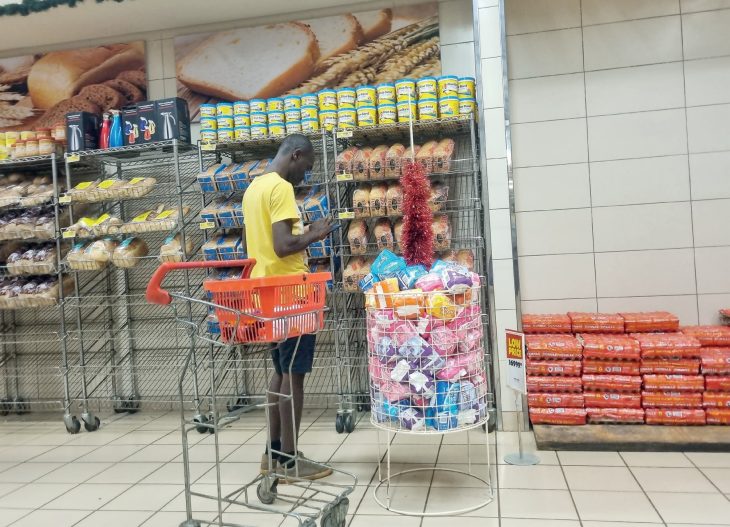
The pressure is increasingly visible in the retail sector, particularly among import-dependent businesses. The Centre for Social Concern (CfSC) says the subdued festive season signals deeper anxiety about income security and future economic conditions, rather than a temporary seasonal adjustment. Agness Nyirongo, CfSC economic-governance officer, noted that households are increasingly shifting from variety to basics, reducing festive meals, limiting travel, and cutting out non-essential purchases such as new clothes for adults. As she said, "When most income is absorbed by food, rent, utilities, and transport, discretionary spending becomes the first casualty."
For now, analysts agree that this season is of less excess and more of a test of resilience as households adjust spending habits to survive a high-cost, high-interest rate economy and brace for the pressures ahead. Kukhala ndi mphamvu, or being resilient, has become essential for households and businesses to navigate the current economic conditions. As the economy continues to evolve, it is crucial for businesses and households to plan carefully and manage finances effectively to mitigate the risks associated with high inflation and borrowing costs. By doing so, they can thamanga kwambiri, or be more careful, and make informed decisions to ensure their financial stability in the long run.
What are your thoughts on this business development? Share your insights and remember to follow us on Facebook and Twitter for the latest Malawi business news and opportunities. Visit us daily for comprehensive coverage of Malawi’s business landscape.

- Malawi Economy Ends Year Strong – What It Means for Business Growth - April 2, 2026
- Pension Fund Insights: A Game Changer for Malawi’s Economic Landscape - April 2, 2026
- Malawi’s Cheque Trends: What It Means for Your Business Strategy - April 2, 2026