
Revitalizing Malawi’s Economy: Breakthroughs in Domestic Debt Restructuring
Key Business Points
- The Malawi government is consulting stakeholders on domestic debt restructuring, which may impact commercial banks, pension funds, and other institutional investors.
- Economist Marvin Banda cautions that the effects of domestic debt restructuring will depend on the approach adopted, and may lead to short-term losses for banks and constrained private sector credit.
- Successful restructuring could create fiscal space, reduce fiscal deficits, and support a recovery in private sector credit over the medium to long term, but poorly designed or implemented restructuring could worsen financial instability.
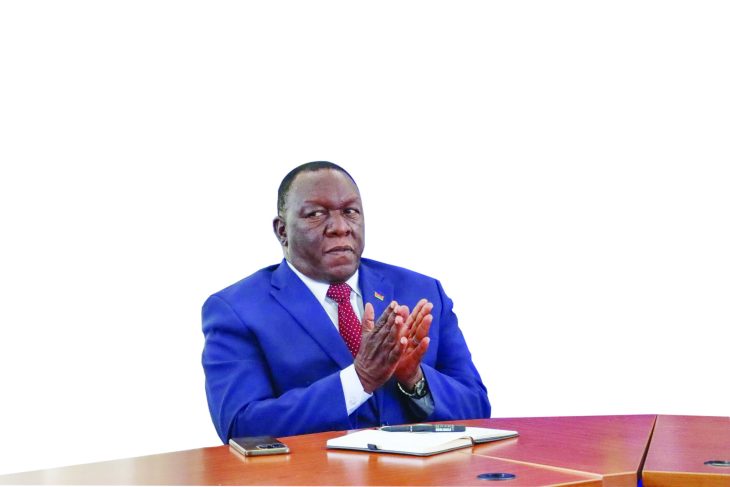
The government of Malawi is currently engaging with stakeholders on domestic debt restructuring, a process that is crucial in restoring debt sustainability and stabilizing the economy. According to Secretary to the Treasury Cliff Chiunda, the government is assessing the situation and determining the best way forward, but has not yet settled on a firm decision. This comes at a time when the Treasury has allocated nearly half of domestic revenue in the 2025-26 national budget to debt servicing, highlighting the growing fiscal strain.
As of 2025, Malawi’s public debt remains elevated, with external debt standing at over $200 million, and domestic obligations continuing to exert significant pressure on government finances. Economist Marvin Banda notes that domestic debt restructuring should not be confused with debt cancellation, and its impact will depend on the approach ultimately adopted. He warns that the effects will extend beyond commercial banks to pension funds and other institutional investors that hold government securities.
Banda suggests that options such as extending maturity periods or reducing coupon rates could still hurt bank profitability in the short term, particularly as a large share of domestic debt is set to mature between now and 2028. This could lead to immediate losses through delayed and unrealized profits, and may cause banks to reduce their exposure to public debt unless money supply continues to expand. As a result, banks may diversify their investments and adopt more cautious lending strategies, which could initially constrain private sector credit.
However, Banda also notes that successful domestic debt restructuring could create fiscal space, reduce fiscal deficits, and support a recovery in private sector credit over the medium to long term. This is because debt servicing currently absorbs a significant portion of domestic revenues, leaving limited room for other essential public expenditures. As the government continues to assess the domestic debt situation, it is essential for businesses and investors to stay informed and adapt to the changing economic landscape. In Chichewa, this concept is often referred to as "kugawa ndi kufikira", or "to share and to think", highlighting the need for careful consideration and planning in navigating these economic challenges.
What are your thoughts on this business development? Share your insights and remember to follow us on Facebook and Twitter for the latest Malawi business news and opportunities. Visit us daily for comprehensive coverage of Malawi’s business landscape.

- Unlocking Malawi’s Trade Potential: K411 Billion in Barriers Explained - February 28, 2026
- Malawi Secures K75bn Chinese Grant for Landmark Dual Carriageway - February 28, 2026
- Malawi’s Graphite Gateway: US Partnership Powers Opportunities - February 28, 2026