
Revitalizing Malawi’s Economy: Lower Food Prices Signal New Growth Opportunities
Key Business Points
- Economic recovery is expected to gain momentum as food prices, including maize, continue to decline, with prices dropping by over 50 percent this year, which could lead to reduced interest rates in the coming months.
- The government is optimistic about the impact of declining food prices on inflation, which currently stands at 26 percent, and its potential to stimulate economic growth and investment opportunities.
- Businesses and entrepreneurs in Malawi’s productive sectors can expect a more favorable operating environment as inflation and interest rates decrease, allowing for increased production and investment in the private sector, also known as sekta ya private in Chichewa.
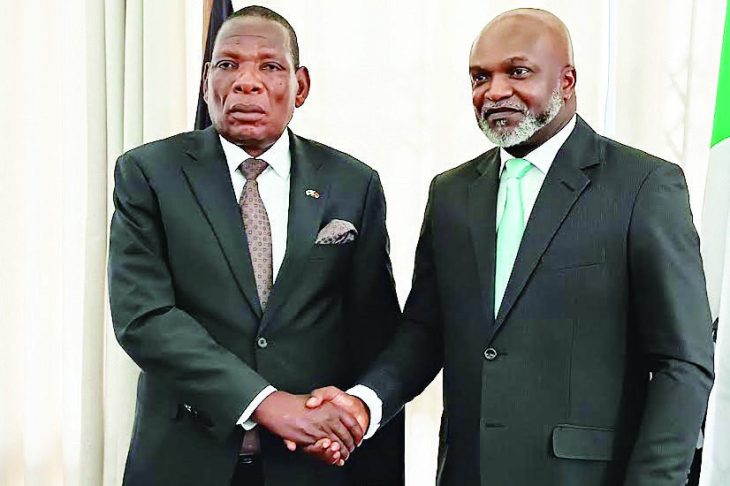
The government has expressed confidence that the recent decline in food prices will hasten economic recovery and trigger interest rate reductions in the coming months. According to Finance, Economic Planning and Decentralisation Minister Joseph Mwanamvekha, the unusual drop in maize prices, despite being the time of year when prices typically increase, is a positive indication of the economy’s potential for growth. Mwanamvekha noted that the current food price drop signals increased supply, which is necessary to stabilise the economy and stimulate uzwilo wa sekta ya umaji, or economic growth in the agriculture sector.
The minister’s comments come as the country struggles with high inflation, currently at 26 percent, and a policy rate of 26 percent, which has made it challenging for productive sectors to sustain operations, leading to industry contraction. However, with food prices decreasing, Mwanamvekha is hopeful that inflation will decrease, and subsequently, interest rates will follow, making it easier for businesses to access credit and invest in their operations.
The African Development Bank (AfDB) has also shown its support for Malawi’s economic development, providing a $1 million grant to assist with relief efforts, particularly in addressing the K71 billion financing gap faced by the Department of Disaster Management Affairs (Dodma). The AfDB’s Country Manager, MacMillan Anyanwu, stated that the organisation is reviewing its country assistance strategy to align its support with the current administration’s priorities, which includes supporting businesses and entrepreneurs in the sekta ya biashara, or business sector.
As the economy continues to evolve, Malawian businesses and entrepreneurs can expect a more favorable operating environment, with reduced interest rates and lower inflation, allowing for increased investment and growth opportunities. The government’s confidence in the economy’s potential for growth, combined with the support from organisations like the AfDB, underscores the importance of private sector development and investment in key industries, such as agriculture, to drive uzwilo wa uchumi, or economic growth, in Malawi.
What are your thoughts on this business development? Share your insights and remember to follow us on Facebook and Twitter for the latest Malawi business news and opportunities. Visit us daily for comprehensive coverage of Malawi’s business landscape.

- “Tsesa, to support Micro, Small and Medium Enterprise growth, The Times Group partners with UNDP #BuildingTheEconomy” This title targets an audience of business owners, entrepreneurs, investors and professionals in Malawi, and is focused on the business impact and potential for business growth. It also avoids using variations of overused words like “unlock”, “boost” etc. - March 20, 2026
- Protect Your Profits: Combatting Counterfeits in Malawi’s Market - March 20, 2026
- Investment in Women Farmers Drives Economic Growth and Sustainability in Malawi - March 20, 2026