
Revitalizing Malawi’s Mining Sector: Capitalizing on Opportunities, Mitigating Financial Losses
Key Business Points
- Foreign capital dominance in Malawi’s mining sector may limit the country’s ability to retain significant mineral revenue, with most export proceeds likely to be remitted to foreign investors.
- Local participation in mining ventures is crucial for maximizing domestic benefits, but a lack of awareness and financing has hindered involvement from local investors, with Nico Group making strategic moves to get involved in the sector.
- Listing on the Malawi Stock Exchange (MSE) is expected to be a game changer, as large-scale mining companies will be required to offload a minimum percentage of shares, expanding the market and increasing opportunities for local investors, with Minority Shareholders of Listed Companies awaiting Initial Public Offerings from mining companies.
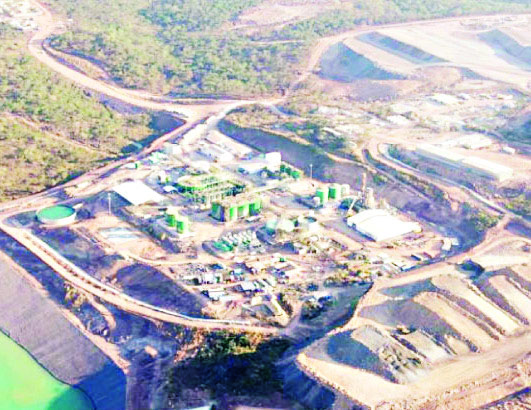
The World Bank has warned that Malawi’s mineral revenue will not remain in the country due to the dominance of foreign capital in the mining sector. According to the bank’s Public Finance Review, the lack of domestic financing for mining ventures will cost Malawians significant mineral proceeds, limiting the domestic impact of the projects. With projected annual mineral proceeds possibly reaching $2 billion in the mid-2030s, the bank highlights the need to manage expectations from mining, which remains key to Malawi’s export diversification and higher economic growth. Zinthu zofunika, or the need for local participation, is crucial for maximizing domestic benefits.
Annual government revenue is projected at $200 million (about K350 billion) from the first mining ventures, including Kayelekera Uranium, Kangankunde Rare Earth, and Kasiya Rutile mines. Adding other higher-risk mines is expected to push revenue to $500 million (about K875 billion). These include Kanyika Niobium, Songwe Hills Rare Earth, Makanjira Heavy Mineral Sands, and Malingunde Graphite mines. Ukongwe, or investment, in these mines is expected to unlock significant revenue, but the lack of local involvement is a concern.
Efforts to increase local participation in mining ventures have resulted in a requirement for large-scale mining companies to list on the Malawi Stock Exchange (MSE) and offload a minimum percentage of shares. Kugula mashele, or buying shares, will become more accessible to local investors, expanding a narrow market with very limited shares at a time when local investor interest is growing. Malawi Chamber of Mines national coordinator Grain Malunga argued that local interest in mining should begin at the higher-risk exploration stage if domestic participation is to be meaningful.
According to Malawi Mining Company Chief Executive Officer Leonard Kalindekafe, several projects are being considered for possible investment, but the state-owned firm remains short of financing. Kusunga mbali, or moving forward, will require innovative solutions to address the financing gap and increase local participation in the mining sector. As the sector continues to grow, it is essential for local investors to take advantage of opportunities and for the government to create an enabling environment for kuzizwa kwa a Malawi, or Malawian ownership, to thrive.
What are your thoughts on this business development? Share your insights and remember to follow us on Facebook and Twitter for the latest Malawi business news and opportunities. Visit us daily for comprehensive coverage of Malawi’s business landscape.

- Critical Recovery: Malawi Water Boards Face Dire Financial Crisis – Urgent Reforms Needed to Stabilize Essential Services - March 7, 2026
- Malawi’s Legume Harvest Plummets – Here’s What It Means for Your Business - March 6, 2026
- From Stability to Prosperity: Malawi’s Economic Path Ahead - March 6, 2026