
Revitalizing State Enterprises: A New Era for Malawi’s Economic Growth and Investment Opportunities
Key Business Points
- The government plans to transform State-owned enterprises (SOEs) to drive economic growth and relieve the financial burden on the Central government.
- Private sector investment is crucial for Malawi’s development, and the government is exploring ways to attract investors, including Public Private Partnerships (PPPs).
- Investment facilitation in critical infrastructure is necessary to ease entry for local and foreign investors, according to local business leaders, with a need to "kugwira ntchito kwambiri" (work harder) to create a conducive business environment.
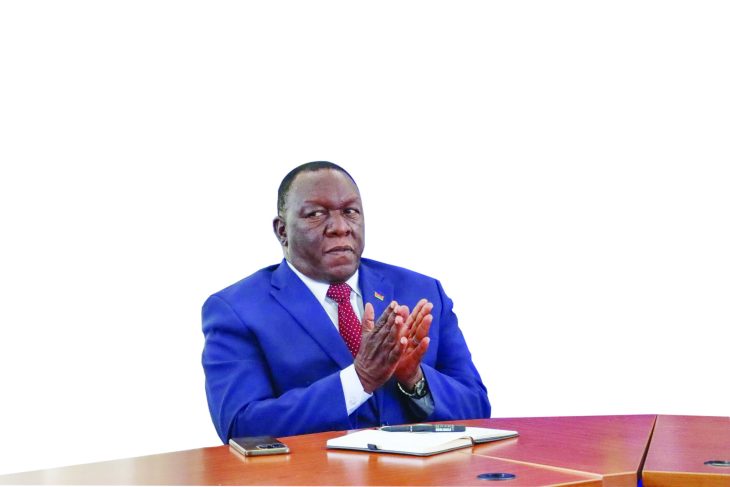
The Malawian government has announced plans to revamp its State-owned enterprises (SOEs) to drive transformation and economic growth. According to Secretary to the Treasury Cliff Chiunda, the government will be meeting with the chief executives of all parastatals to challenge them to turn around their operations. This move is expected to relieve the financial burden on the Central government and contribute to revenue, job creation, and industrialization. The government has a strong presence in key sectors such as agriculture, finance, water, energy, tourism, and aviation, and transforming SOEs in these areas could have a significant impact on the economy.
The latest annual performance report shows that commercial SOEs have already made a significant turnaround, from a combined loss of K66.5 billion in 2024 to a profit of K34.1 billion this year. However, a World Bank Public Finance Review estimates that more needs to be done to transform commercial SOEs, which are largely in financial stress. The report suggests that this would not only benefit the government but also contribute to job creation and industrialization.
Malawi has struggled to attract investments in key sectors, with calls intensifying for the government to lead in investment. However, Public Private Partnership Commission Chief Executive Officer Patrick Kabambe notes that relying on public resources for investment is unrealistic, given the tight fiscal space. Instead, the government is exploring ways to attract private sector investment, including through PPPs. As Kabambe puts it, "it’s a matter of combining all approaches" to drive investment and growth.
Local investor Napoleon Dzombe has decried the low investment facilitation by the government in critical infrastructure, which he believes is necessary to ease entry for local and foreign investors. This lack of investment in infrastructure is a major "kholela" (obstacle) to doing business in Malawi, and the government needs to "kugwira ntchito kwambiri" (work harder) to create a conducive business environment. With the government’s plans to transform SOEs and attract private sector investment, there are opportunities for local entrepreneurs and investors to "panga zinthu" (make things happen) and drive economic growth in Malawi.
What are your thoughts on this business development? Share your insights and remember to follow us on Facebook and Twitter for the latest Malawi business news and opportunities. Visit us daily for comprehensive coverage of Malawi’s business landscape.

- Malawi’s Tourism Boom: A K1 Trillion Opportunity for Business Growth! - March 4, 2026
- Bad Loans Fall: Positive Shift Signals Economic Recovery - March 3, 2026
- Bank Levy Deductions Spark Public Outcry and Economic Debate in Malawi - March 3, 2026