
Fueling Growth: Malawi’s Bid to Supercharge Economic Resilience through Strategic Reserve Expansion
Key Business Points
- Increasing fuel reserves: Malawi plans to double its strategic fuel reserves capacity from 60 days to 120 days by 2030 to ensure stability and security of fuel supply.
- Addressing fuel supply challenges: The expansion aims to mitigate the impact of foreign exchange shortages and limited storage capacity, which currently contribute to volatility in fuel supply.
- Investment opportunities: The government’s plan to enhance fuel reserves and construct rail fuel offloading facilities presents investment opportunities for development partners and the private sector, particularly in the energy and transportation sectors.
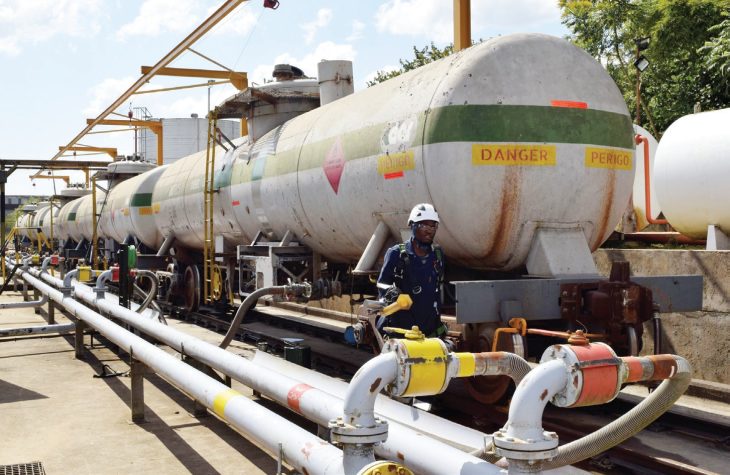
The Ministry of Energy and Mining has announced plans to increase Malawi’s strategic fuel reserves capacity, a move expected to bring stability and security to the fuel supply chain. Currently, the country consumes 60 million litres of fuel per month, with a daily demand of two million litres. However, the limited storage capacity and foreign exchange constraints have led to volatility in fuel supply, affecting businesses and the general public.
The expansion plan, which aims to increase the capacity from 60 million litres to 120 million litres, is critical for landlocked Malawi, where fuel security is essential. The project will see Blantyre, Lilongwe, and Mzuzu each gain an additional 20 million litres in holding capacity. The government has also finalized agreements for the construction of rail fuel offloading facilities in Lilongwe and Blantyre, which will enhance the efficiency and speed of fuel deliveries.
According to Grain Malunga, national coordinator for the Chamber of Mines and Energy, expanding the strategic fuel reserves is critical subject to affordability. The current reserves were financed by a $26 million loan from Exim Bank of India, and the government will need to coordinate with development partners to secure funding for the expansion. The Southern African Development Community regulations require member states to have 90 million litres of fuel reserve capacity, and Malawi’s current reserves only stock fuel for 30 days.
The expansion of the strategic fuel reserves is a welcome development for Malawi’s business community, as it will help to reduce the risks associated with fuel shortages and price volatility. As the government moves forward with the project, it is essential to ensure that the private sector is involved in the process, and that local entrepreneurs are given opportunities to participate in the construction and operation of the fuel reserves. As the saying goes in Chichewa, "Pakati pa nkhani ndi mphamvu" – the key to success lies in the details, and the government must ensure that the project is well-planned and executed to achieve its goals.
What are your thoughts on this business development? Share your insights and remember to follow us on Facebook and Twitter for the latest Malawi business news and opportunities. Visit us daily for comprehensive coverage of Malawi’s business landscape.

- Boosting Energy Investment: Malawi Commission Seeks K2bn for Critical Funding - March 12, 2026
- Only 10.3% Have Permanent Jobs – How Malawi’s Workforce Could Transform Your Business - March 12, 2026
- Mining Giants Under Fire: What the Latest Scrutiny Means for Malawi’s Business Landscape - March 12, 2026